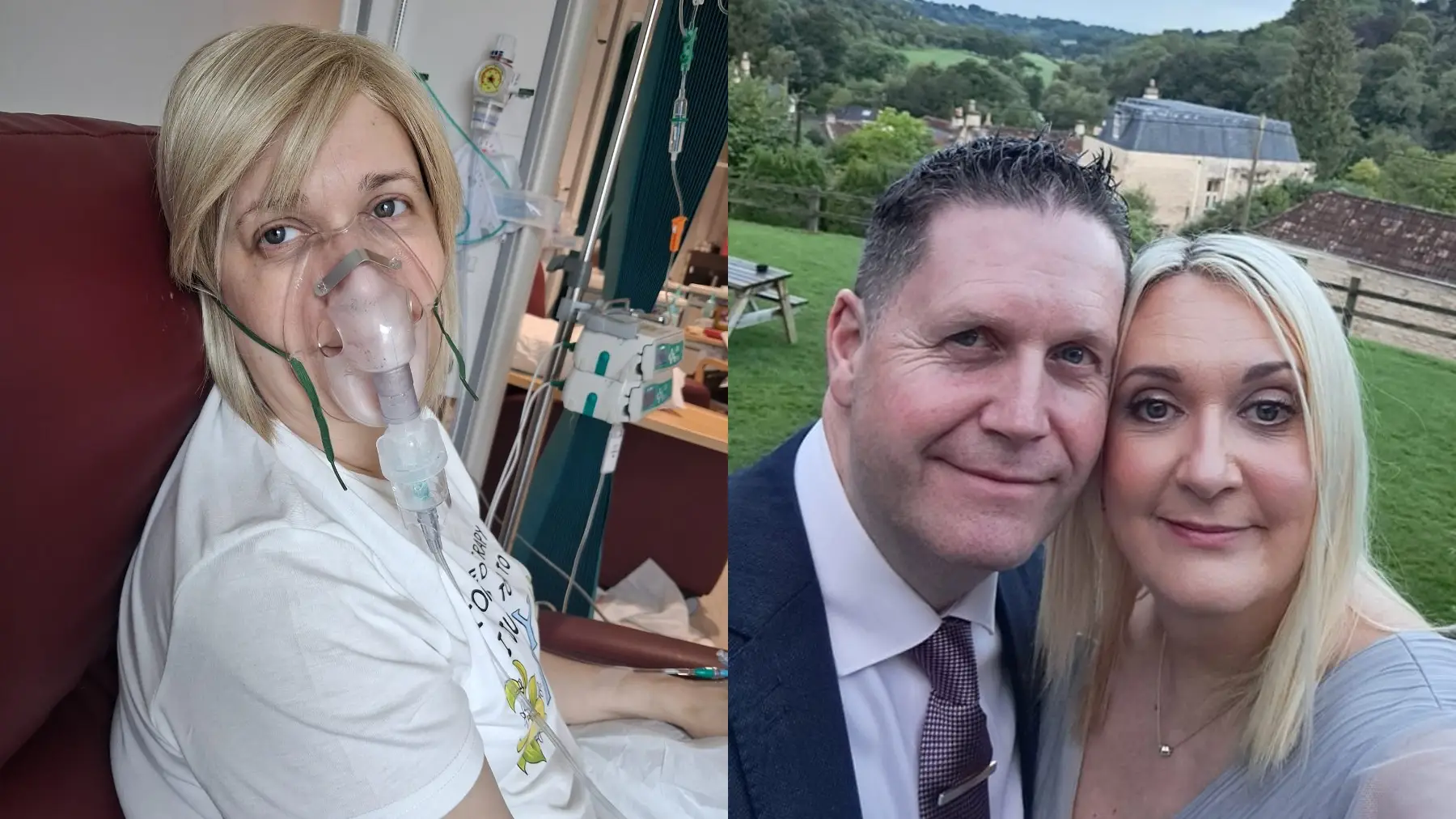
Mom-of-five issues warning to others after incurable cancer was mistaken for perimenopause symptoms

A 50-year-old woman has shared her frustrating story of being ignored by medical professionals, who missed a number of opportunities to spot cancer red flags, instead blaming her symptoms on age-related changes to her reproductive system.
Mom-of-five Crystal Portsmouth complained about having painful periods, chronic anemia, and fatigue to her physician. These symptoms had persisted for years, but she was told this was a result of perimenopause and uterine fibroids - non-cancerous growths that 80 per cent of women will experience by the age of 50.
With her crippling symptoms blamed on age-related physical changes and fibroids, the British social services worker was recommended iron tablets and the Mirena contraceptive coil, which can reduce heavy bleeding during the menstrual cycle.
However, this treatment caused Portsmouth to develop repeated urinary tract infections that required antibiotics and did not alleviate her painful symptoms.
Advert
Rather than a medical investigation to discover the cause, the mom had the coil removed and was told undergo hormone replacement therapy, missing another crucial moment when her cancer could have been diagnosed.

In April 2023, Portsmouth would collapse at work, an event which prompted a number of tests and eventually a bone marrow biopsy. The scans revealed that she had been living with a myeloma the whole time, an incurable form of blood cancer.
This has prompted her to warn other women to make sure their concerns are heard and not dismissed. She said: “I’d say to others, learn to listen to your body and push for answers if you think something’s not right.”
Her diagnosis came more than a year after her collapse at work in July 2024, with Portsmouth undergoing intensive courses of chemotherapy as well as a stem cell transplant.
Thankfully, the mom's cancer is now in remission with an ongoing maintenance chemotherapy and she is hoping her story will help people get diagnosed sooner.
Speaking to PA, Portsmouth said: “I just couldn’t believe it, and I still don’t believe it.
“Every day when you wake up, you think it’s a dream and it’s real. A few times we’ve said, ‘When are we going to wake up?’
“When I look back through my NHS app, you think, crikey, it’s screaming out… but (the signs of myeloma) were never picked up."

The mother-of-five said some of these red flag symptoms were that she was 'flooding' during her menstrual cycle and bleeding through her period products, forcing her to bring a change of clothes to work.
“It was embarrassing and I was struggling to work when my period was due because of the amount of blood I was losing,” she said.
“Over the years I’d been anaemic and had iron tablets, but around seven years ago I was in Tesco and I had to leave because I had flooding.
“So I went to the doctors and they said about the Mirena coil, but then I started getting UTIs and I was constantly on antibiotics.”
After being told by so many medics that her symptoms were related to her reproductive health, Portsmouth said she found herself in an initial state of 'denial' that she could have cancer.
She said: “I think after so many years, you don’t know what to think, and even when my colleague said it could be cancer, I just said, ‘No, there’s no cancer in our family, it’s not that’.
“It was terrible, I was just in denial.”
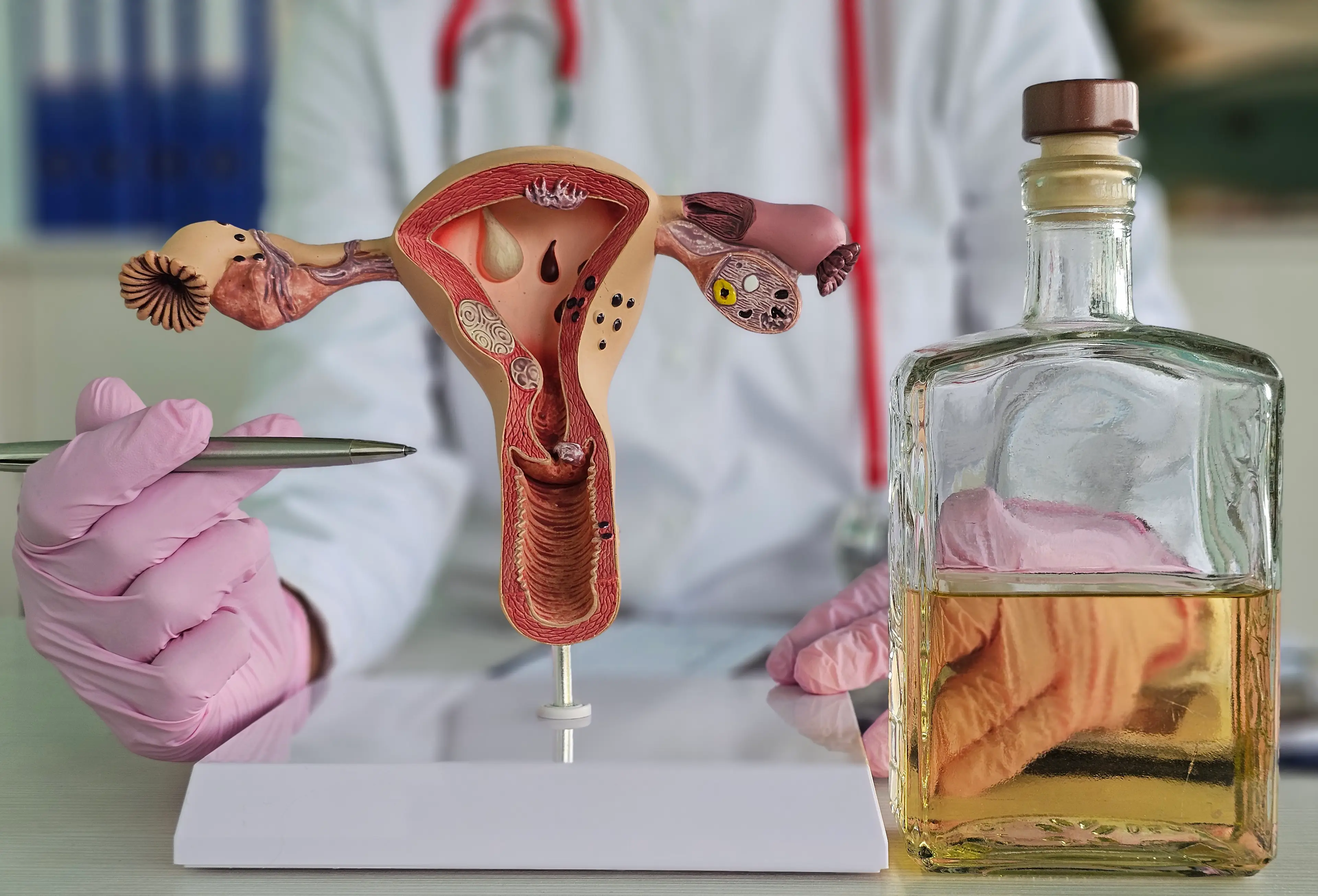
Something that prompted further investigation for Portsmouth was when she experienced multiple skin infections, cellulitis, alongside her other conditions.
The British mom said: “I used to think, ‘What is wrong with my immune system?’ But then you just rationalise these things.”
Portsmouth has been supporting the work of Myeloma UK, which states that common symptoms of the condition can include pain, fatigue, kidney damage and recurring infection.
She described receiving her diagnosis as an 'out-of-body experience' that quickly saw her rushed through chemotherapy and clinical trials, but now its in remission, her life has regained a sense of normalcy.
After feeling angry at first, the mom is now raising awareness of her difficult diagnosis with Myeloma UK, as despite being the third most common type of blood cancer, the charity says myeloma is frequently missed as its symptoms are vague.
Other symptoms can include persistent pain in your back, hips and chest, unexplained weight loss, and issues from high calcium levels like frequent urination and easy bruising.
 William Morgan