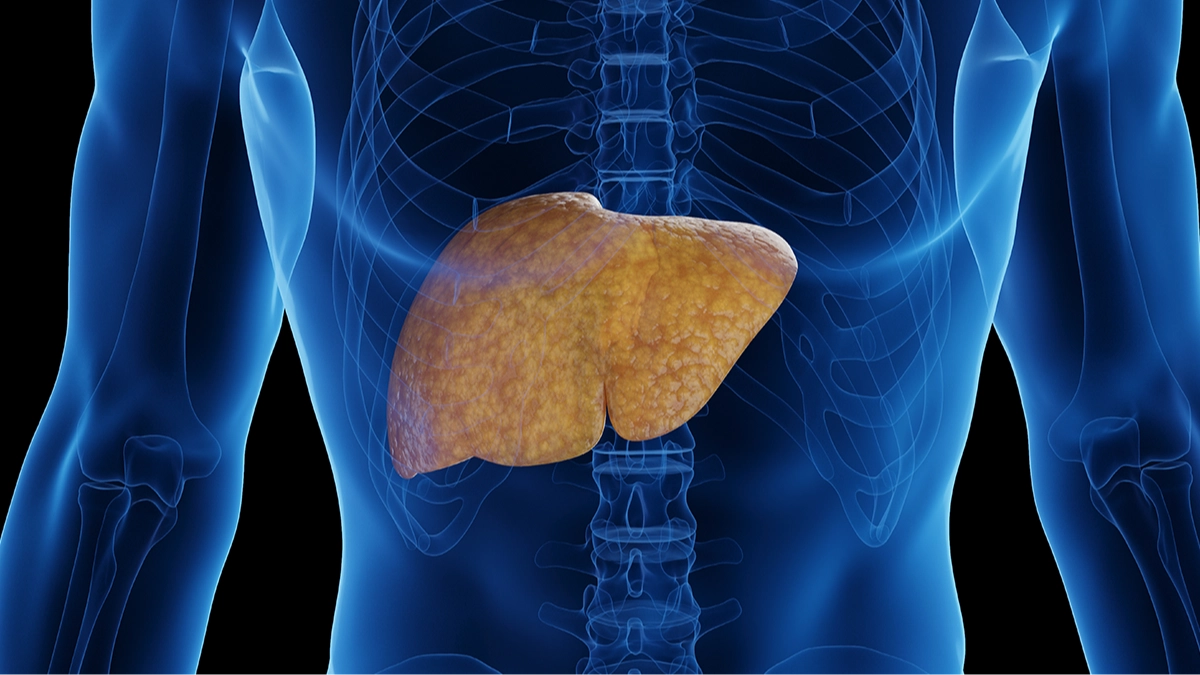
People are just learning of the most deadly disease that often goes undiagnosed by doctors

People are just learning about an often 'silent' disease that affects nearly a third of all adults.
According to a recent study, 15 million people from across the US, UK, Germany and France have the condition, but they're completely unaware of it.
Research published in The Lancet Regional Health Europe found that around 20 million people are suffering, with only 2.5 million having a diagnosis of the disease, known as non-alcoholic fatty liver disease.
Meanwhile, three-quarters of those with the illness have no idea, with one doctor calling it the 'most deadly yet under diagnosed condition'.
What is nonalcoholic fatty liver disease?
Non-alcoholic fatty liver disease (NAFLD) - also known as metabolic dysfunction-associated steatotic liver disease (MASLD) - occurs in those whose liver contains over five per cent fat and who consume little to no alcohol, with excessive alcohol consumption being referred to as an alcohol-related fatty liver disease.
Advert
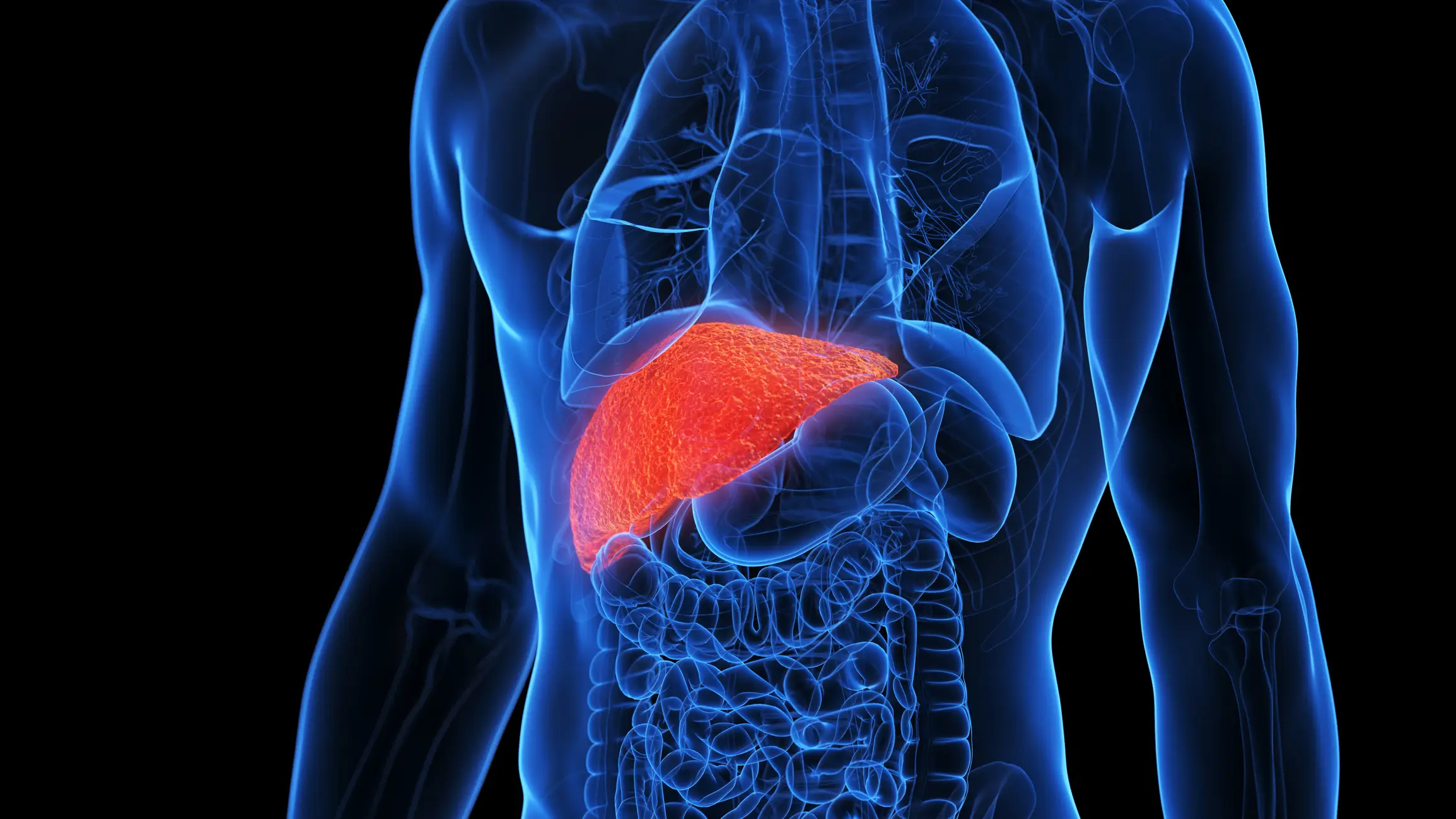
The first and less severe stage is known as 'simple fatty liver' and is a build-up of fat in the liver cells (via Healthline).
Meanwhile, 'metabolic dysfunction-associated steatohepatitis (MASH)' is a more serious form of the disease in which the liver is inflamed as a result of fat build-up.
MASH can lead to liver damage also known as cirrhosis, as well as liver cancer.
What are the symptoms?
Often, there are no symptoms of fatty liver disease, which is why so many people are unaware that they have it.
However, symptoms of NAFLD can include (via MayoClinic):
- fatigue
- feeling unwell
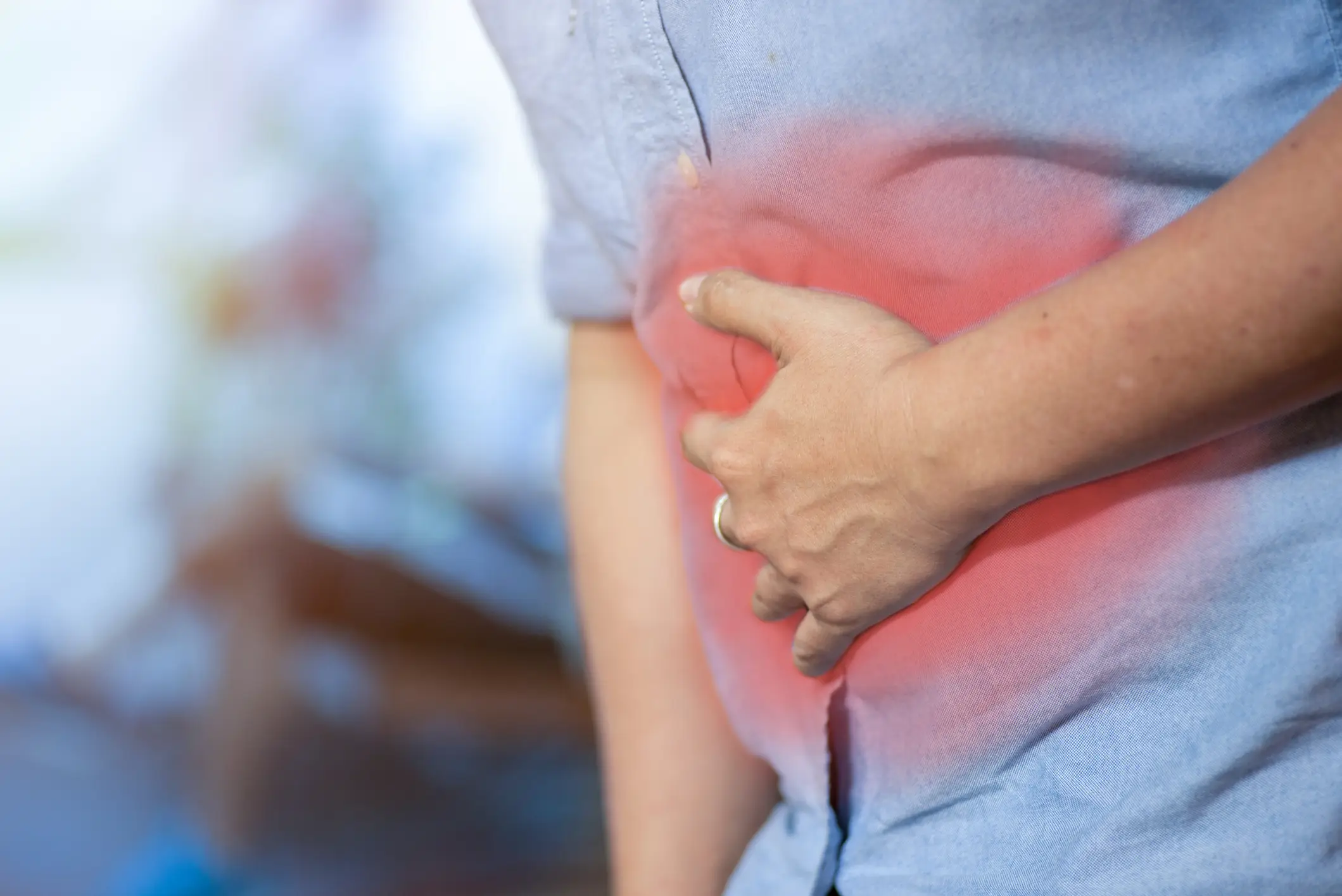
- pain or discomfort in the upper right belly area
Meanwhile, symptoms of MASH can include:
- itchy skin
- abdominal swelling
- shortness of breath
- swelling of the legs
- spider-like blood vessels beneath the skin's surface
- enlarged spleen.
- red palms.
- yellowing of the skin and eyes, or jaundice
According to the NHS, you're at an increased risk of NAFLD if you:
- are obese or overweight
- have type 2 diabetes
- have a condition that impacts how your body uses insulin, such as polycystic ovary syndrome
- have an underactive thyroid
- have high blood pressure
- have high cholesterol
- have metabolic syndrome
- are over 50
- smoke
How is it diagnosed and treated?
NAFLD is often discovered during routine tests, meanwhile imaging can also be done to confirm a diagnosis.
One doctor on X, Chris Boettcher, explained that NAFD can be reversed, with Mayo Clinic explaining that treatment usually starts with weight loss.
"Typically, losing 10 percent of your body weight or more is recommended. But losing even three percent to five percent of your starting weight can have benefits," the site explains.
Boettcher added: "The most deadly yet under diagnosed condition by doctors: Non-Alcoholic Fatty Liver Disease.
"1 in 3 adults have it and it silently leads to cancer, diabetes, and early death. Just losing 7-10% of your bodyweight reverses non-alcoholic fatty liver disease in up to 90% of people.
"It directly: Burns liver fat, lowers inflammation [and] reduces insulin resistance."
Topics: Health, News, Social Media, US News, NHS
 Lucy Devine