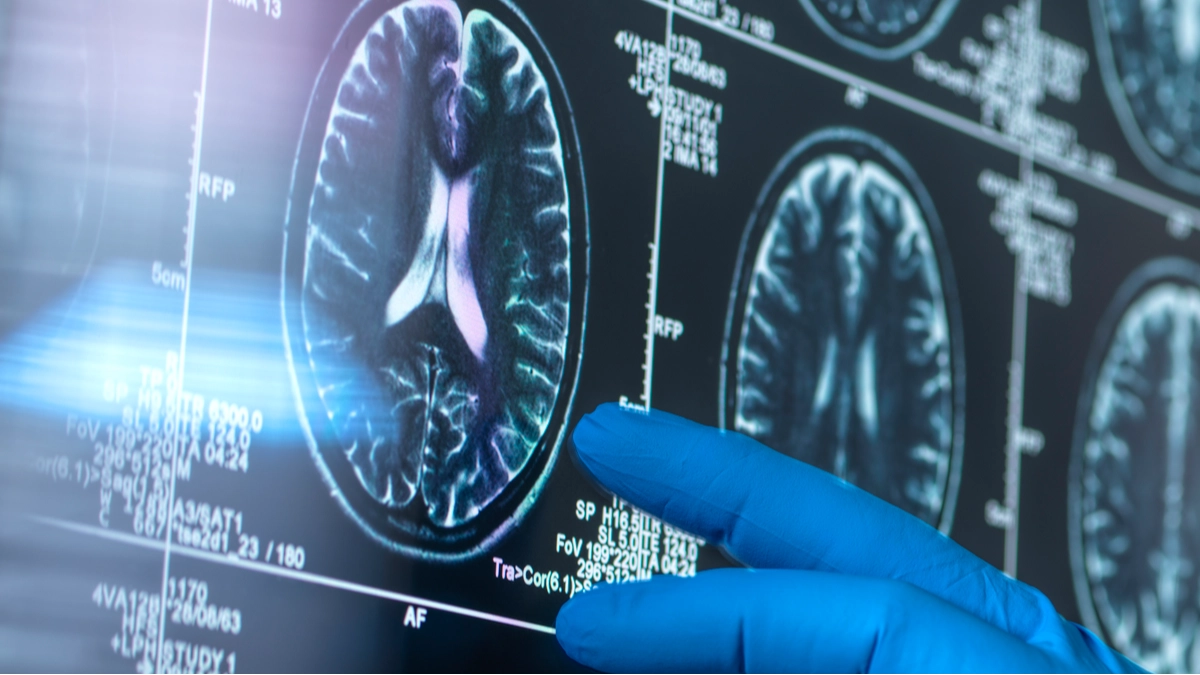
Doctor shares six vital but easy habits that could help prevent dementia later in life

A doctor has shared some easy habits that can decrease your chances of developing conditions such as dementia.
Sometimes, it can feel like the list of what you need to do to keep healthy is as long as your arm. However, it’s usually a lot simpler that it first appears.
When targeting specific areas, there are always going to be different ways to prevent certain diseases, but for brain health, six things are enough to boost your longevity and reduce the risk of cognitive decline.
Dr Donald Grant, GP and Senior Clinical Advisor at The Independent Pharmacy, has shared healthy habits that improve brain health.
Advert
Dr Grant explained: “A healthy brain is vital for most everyday tasks, helping with problem-solving, memory and learning new skills. However, as we age, our brain health can decline rapidly, leading to conditions such as Alzheimer’s or dementia. Thankfully, a variety of habits can reduce risk and boost cognitive function.”

Regular exercise
According to the doc, regularly exercising is something that is essential for our brain health, as it can ‘trigger the release of key neurotransmitters such as dopamine and serotonin’ which helps you to boost both your mood and focus.
It also aids in stimulating blood flow, as well as enhancing oxygen delivery to the brain, to boost its overall function.
“Through regular movement, people can lower their risk of neurodegenerative illnesses, including dementia, by combating brain shrinkage and slowing cognitive decline,” he said.
Social interaction
If you’re more anti-social than you’d like to admit, it’s time to break free from your hermit habits.
According to the expert: “Socialising with friends or family is a great way to stimulate the mind and fight against cognitive decline. It’s a great way to reduce stress, strengthen neural pathways, and improve memory. Interacting with others also tests our ability to process different emotions; without this stimulation, loneliness can cause brain health to deteriorate quickly.”

A structured sleep routine
Oh, how I love to talk about the benefits of sleep.
Dr Grant shared with us that sleep is ‘crucial for brain health’ as it enables us to ‘consolidate memory and process emotions’.
Sleep also allows the brain to get rid of toxins or proteins it doesn’t need, including amyloid beta, something that is ‘strongly linked to Alzheimer’s disease’.
So, the doctor advises everyone to ‘establish a structured sleep routine, avoiding blue light and caffeine before bed and aiming to go to sleep at the same time each night’.
Eating the right foods
There has been so much in the news about diets, and this can lead to people being confused about what to try.
However, when it comes to brain health, a nutrient-rich diet, including omega-3 from oily fish, antioxidants, and a ‘healthy level of protein and vitamins’ is vital.
This is because they prevent cognitive decline, whilst food such as ‘highly processed goods, sugary foods and drinks with artificial sweeteners’ can change hormone balance and fatigue levels, to impact the brain functions.
Brain stimulation activities
It’s time to get out your crossword book, because Dr Grant states that hobbies such as playing an instrument, puzzles, or reading are beneficial for stimulating the brain and improving cognitive function.

This is because they ‘boost memory while improving problem-solving techniques and creativity’.
Exposure to mature
There’s nothing like a walk in the park, and the doctor agrees!
He shared: “Finally, exposure to nature is an effective way to improve brain health. Our environment can affect our moods in varying ways, but beneficially for the brain, being around nature can reduce mental fatigue and enhance creativity.
“Being near water, or ‘blue space,’ has a similar effect, helping reduce stress by minimising cortisol levels and releasing endorphins, which improve our moods. As we age, taking time to exercise around nature could be a great way to minimise the risk of cognitive decline.”
All of this can really help your brain health.
 Britt Jones