unilad homepage
unilad homepage
    • News
      • UK News
      • US News
      • World News
      • Crime
      • Health
      • Money
      • Sport
      • Travel
    • Music
    • Technology
    • Film and TV
      • News
      • DC Comics
      • Disney
      • Marvel
      • Netflix
    • Celebrity
    • Politics
    • Advertise
    • Terms
    • Privacy & Cookies
    • LADbible Group
    • LADbible
    • SPORTbible
    • GAMINGbible
    • Tyla
    • UNILAD Tech
    • FOODbible
    • License Our Content
    • About Us & Contact
    • Jobs
    • Latest
    • Archive
    • Topics A-Z
    • Authors
    Facebook
    Instagram
    X
    Threads
    TikTok
    YouTube
    Submit Your Content
    People mortified after doctor reveals what anesthesia really does to your body

    Home> News> Health

    Published 14:04 28 Nov 2024 GMT

    People mortified after doctor reveals what anesthesia really does to your body

    A YouTube video breaks down what anesthesia really does and it's left social media users divided

    Poppy Bilderbeck

    Poppy Bilderbeck

    google discoverFollow us on Google Discover
    Featured Image Credit: YouTube/MedicalSecrets/Getty Images/Shannon Fagan

    Topics: Health, Social Media, Viral, World News, YouTube, Science, Sleep, Drugs, Mental Health

    Poppy Bilderbeck
    Poppy Bilderbeck

    Poppy Bilderbeck is a freelance journalist with words in Daily Express, Cosmopolitan UK, LADbible, UNILAD and Tyla. She is a former Senior Journalist at LADbible Group. She graduated from The University of Manchester in 2021 with a First in English Literature and Drama, where alongside her studies she was Editor-in-Chief of The Tab Manchester. Poppy is most comfortable when chatting about all things mental health, is proving a drama degree is far from useless by watching and reviewing as many TV shows and films as possible.

    Advert

    Advert

    Advert

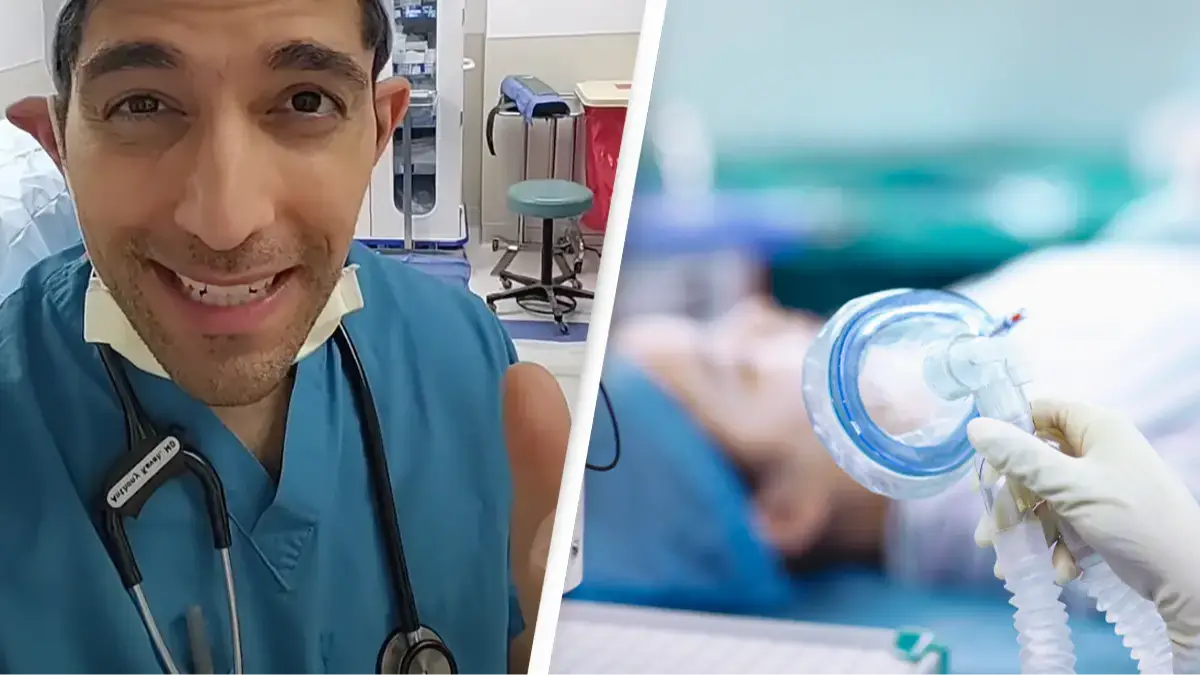
    The doctor has revealed why anesthesia is 'not what you think' in a video shared to YouTube.

    Look, before you start freaking out - particularly if you have an appointment coming up with requires you taking an aesthetic - the drugs are used when they're neede. Indeed, they wouldn't be used so much if they weren't safe, and can you really say you'd prefer going through an operation without being slightly knocked out? I thought not.

    However, a doctor has revealed what really happens when you take anesthetics; if you have health anxiety or would just rather not know the ins and outs, you may want to turn away.
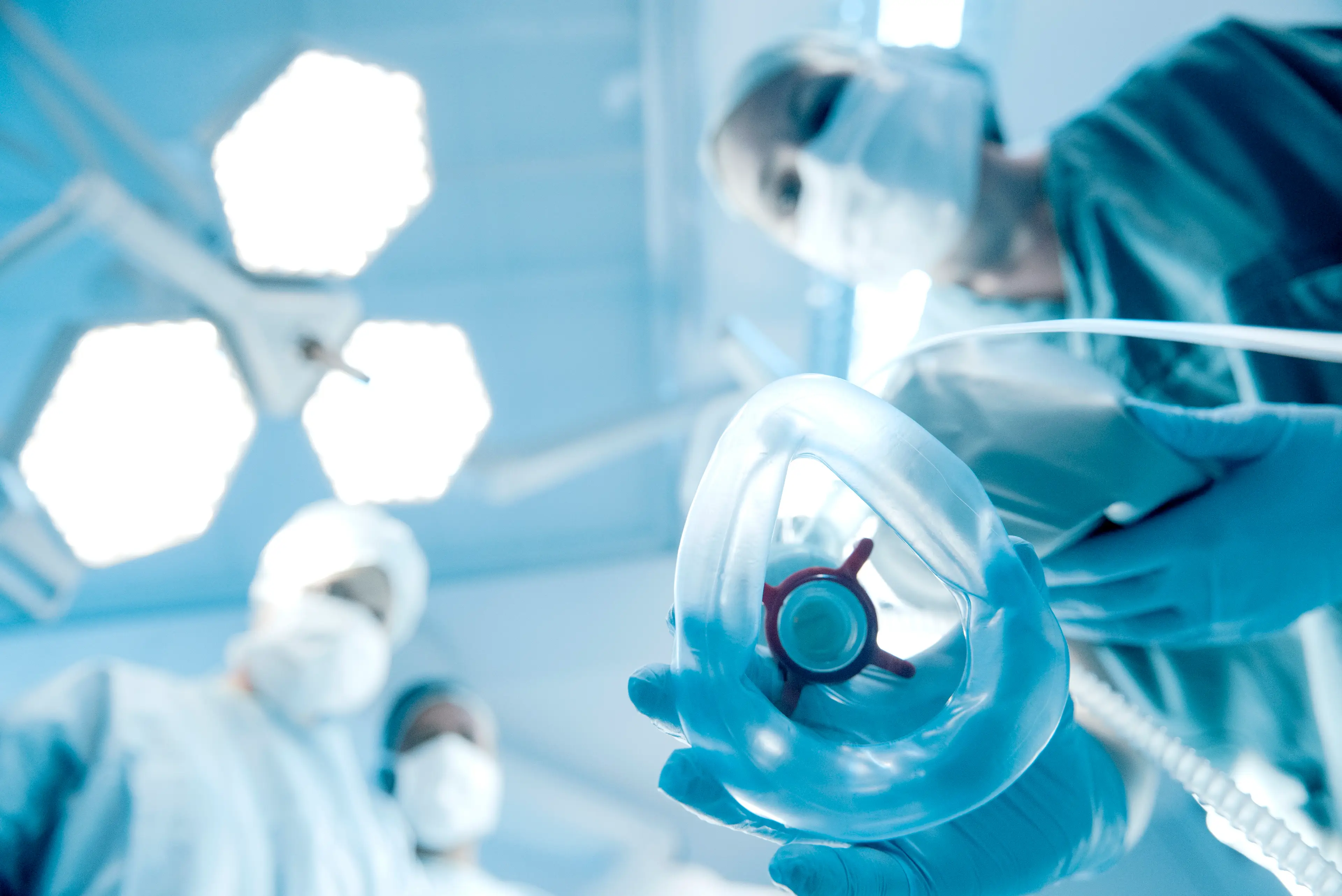
    Anesthetics block someone from experiencing pain during procedures or surgery (Getty Stock Images)
    Anesthetics block someone from experiencing pain during procedures or surgery (Getty Stock Images)

    What is anesthesia?

    Anesthesia 'refers to the use of medications (called anesthetics) to keep you from feeling pain during procedures or surgery,' the Cleveland Clinic explains.

    Advert

    It continues: "Local and regional anesthesia numbs a specific area of your body. General anesthesia makes you temporarily unconscious (fall asleep) so you can have more invasive surgeries."

    And board-certified anesthesiologist Dr Anthony Kaveh, MD., has since broken down just what anesthesia does to your body after being asked: "Is it true that you don't sleep during anesthesia but the anesthesia paralzes you and then wipes your memory of all the pain?"

    Yup. It sounds scarier than it is though, don't worry.

    This is what you won't have to see under anesthetic (Getty Stock Images)
    This is what you won't have to see under anesthetic (Getty Stock Images)

    What do anesthetics really do?

    In a video uploaded to YouTube earlier this year, Dr Kaveh goes over the different types of anesthesia in more detail.

    First up is anesthesia as a 'medication that turns off your brain making you completely unconscious so you can't perceive pain'. Then, there's 'some medications' which 'paralyze your body if needed' and then there's medications given 'to wipe your memory so that you're less anxious' and to 'minimize the risk of PTSD under anesthesia'.

    Indeed, Cleveland Clinic notes 'sedation' anesthesia 'relaxes you to the point where you’ll nap but can wake up if needed to communicate'.

    Regional anesthesia 'blocks pain in a larger part of your body, like a limb or everything below your chest' and it may be administered in combination with 'sedation' drugs.

    And then 'general anesthesia' 'makes you unconscious and insensitive to pain or other stimuli' and is typically used for 'more invasive procedures or surgeries of your head, chest or abdomen'.

    As you can guess, it's not taken long for social media users to flood to the comments to weigh in on the slightly alarming revelation.

    One YouTube user said: "Sounds so much more scary when you describe it that way."

    "This is actually more horrifying," another echoed.

    A third voiced: "You're giving me anxiety rn describing this!"

    Whereas a fourth noted: "Excellent explanation. I had a hysterectomy, and upon going under and coming back up from unconsciousness, I was amazed how time just telescoped into a split second from the three or four hours it really lasted."

    However, others were quick to reassure, with a user noting: "People say 'omg that sounds horrifying' but I've been under anesthesia multiple times, it's fantastic."

    And a final - very relatable - user resolved: "Anesthesia is the best part! I love just turning off for a while, cuz I'm terrible at sleeping normally. It feels like a nice break."

    Choose your content:

    12 mins ago
    22 mins ago
    an hour ago
    • Gina Ferazzi / Los Angeles Times via Getty Images
      12 mins ago

      Scientists make new prediction 'Super El Niño’ could cause hottest summer ever with scorching temperatures

      The phenomenon could cause a scorching summer this year

      News
    • Charles A Fazio/Bloomberg via Getty Images
      22 mins ago

      Scientists discover impact of data centers creating 'heat islands' warming the Earth by 16 degrees

      Centers powering AI could well be contributing towards AI

      News
    • TikTok/@millennialdad
      an hour ago

      Man diagnosed with autism at 42 explains how he was misdiagnosed by doctors for years

      Tyler Barnett opened up about how he had been mislabelled for years before being diagnosed with autism as an adult

      News
    • Getty Stock Images
      an hour ago

      Health experts issues 'AI addiction' warning after discovering serious health impact

      Some addicts report feeling 'chest pains, anxiety, and grief' when separated from their AI chatbot

      News
    • Minute-by-minute breakdown of what cannabis does to your body as Trump changes law
    • Simulator reveals what happens to your body when you fast for 36 hours
    • Doctor explains harsh reality of what could happen to your body once you stop taking Ozempic
    • Expert explains what actually happens to your body during sleep paralysis