unilad homepage
unilad homepage
    • News
      • UK News
      • US News
      • World News
      • Crime
      • Health
      • Money
      • Sport
      • Travel
    • Music
    • Technology
    • Film and TV
      • News
      • DC Comics
      • Disney
      • Marvel
      • Netflix
    • Celebrity
    • Politics
    • Advertise
    • Terms
    • Privacy & Cookies
    • LADbible Group
    • LADbible
    • SPORTbible
    • GAMINGbible
    • Tyla
    • UNILAD Tech
    • FOODbible
    • License Our Content
    • About Us & Contact
    • Jobs
    • Latest
    • Archive
    • Topics A-Z
    • Authors
    Facebook
    Instagram
    X
    Threads
    TikTok
    YouTube
    Submit Your Content
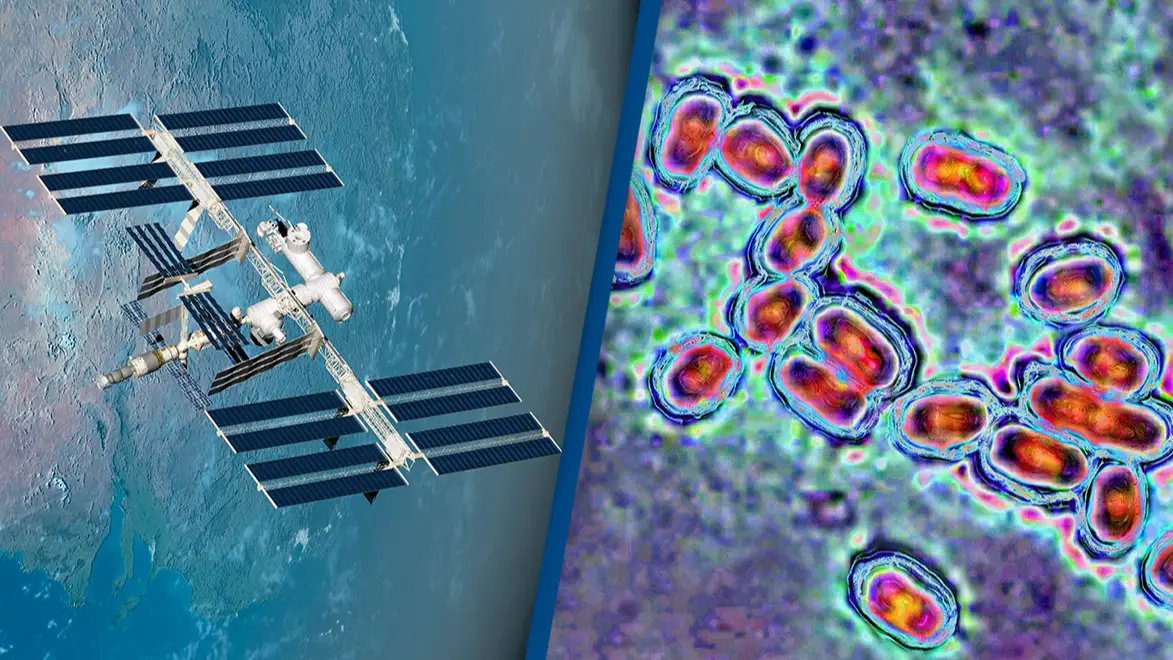
    Bacteria has mutated on the International Space Station into something never seen before on Earth
    Home>News>Health
    Published 16:27 20 Oct 2024 GMT+1

    Bacteria has mutated on the International Space Station into something never seen before on Earth

    When bacteria starts to mutate in space you best believe it is a cause for concern - especially if you're an astronaut living with it

    Joe Yates

    Joe Yates

    google discoverFollow us on Google Discover
    Featured Image Credit: SCIEPRO/CAVALLINI JAMES/BSIP/Universal Images Group/Getty Images

    Topics: Science, Health, Space, International Space Station, News

    Joe Yates
    Joe Yates

    Joe is a journalist for UNILAD, who particularly enjoys writing about crime. He has worked in journalism for five years, and has covered everything from murder trials to celeb news.

    X

    @JMYjourno

    Advert

    Advert

    Advert

    For the last 75 years mankind has sent thousands of things into space, whether that's rockets, satellites, fruit flies or whatever else.

    With all these things hurtling out of our atmosphere you never really think of the bacteria on them - and there must be a lot of bacteria we've exported into space - just last year 2,644 objects launched into space.

    While most bacteria is harmless, it can sometimes be dangerous - one type that can cause illness is Enterobacter bugandensis - something which was discovered on the International Space Station (ISS) back in 2018.

    Advert

    At the time there were only five strains reported of the bacteria, which according to previous studies has been associated with 'severe clinicla infection' but following further investigations an additional eight strains of the multi drug-resistant bacteria was discovered.

    Of course, the microbes and bacteria that occupy the same space as astronauts on the ISS are vital to their wellbeing and health, so when there's a dangerous bacterial onboard that then begins to mutate there are worries.

    Despite the ISS being described as a 'highly controlled environment, characterised by microgravity, increased CO2 levels, and elevated solar radiation', these microorganisms still managed to penetrate.
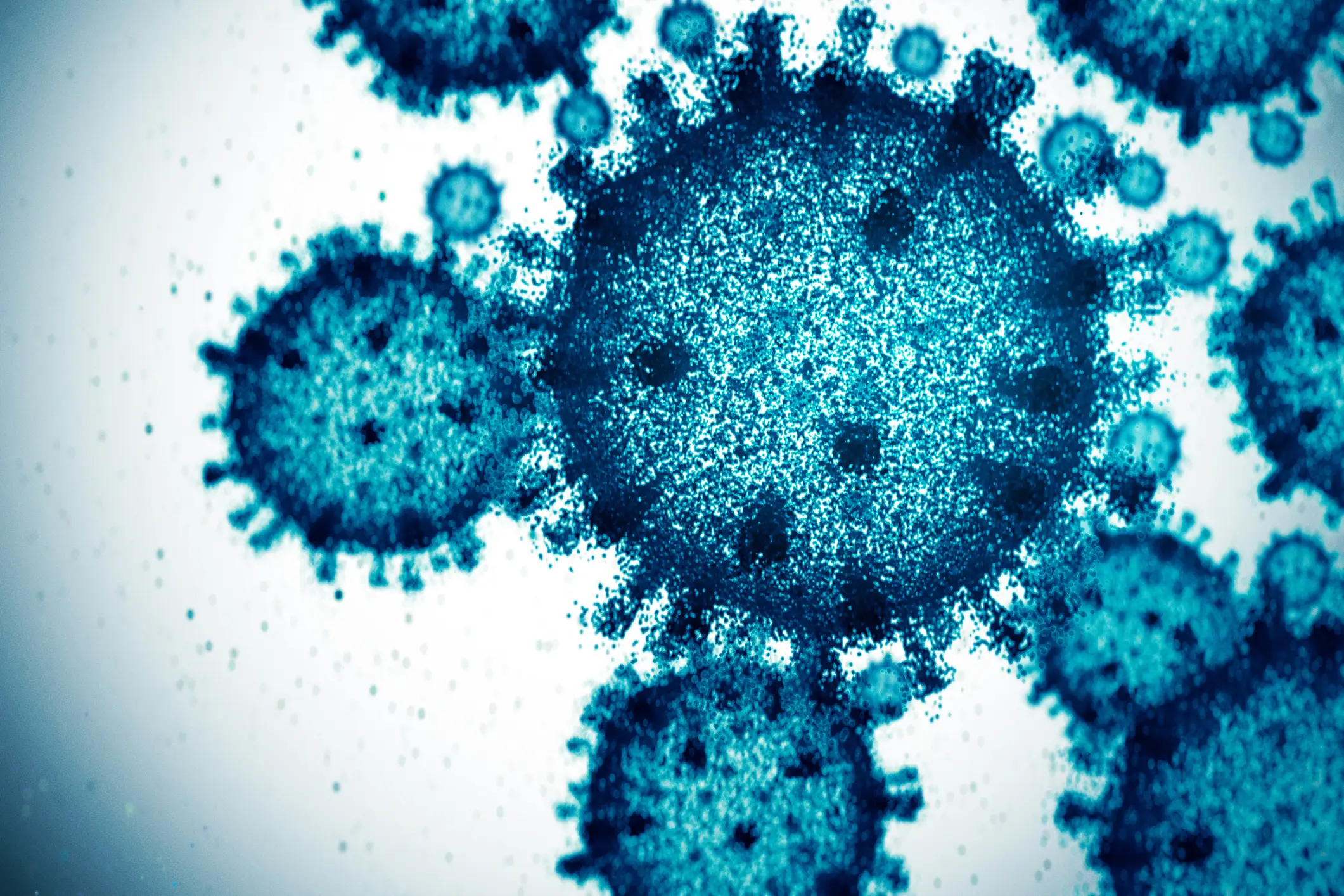
    Bacteria has mutated on the International Space Station. (Yuichiro Chino/Getty Stock Image)
    Bacteria has mutated on the International Space Station. (Yuichiro Chino/Getty Stock Image)

    In fact, it's thought some microorganisms exposed to microgravity 'can acquire antibiotic resistance and heightened virulence via rapid mutations and horizontal gene transfer'.

    Enterobacter bugandensis is said to have found a 'niche' in the ISS and become distinct from its earthly counterparts.

    As per a study released in March this year, the bacteria is an opportunistic pathogen. This means that it will only cause disease in a person if they're battling a disease already or have a weakened immune system for other reasons. This isn't uncommon in astronauts who have been in space for a prolonged period of time.

    For the sake of astronauts' health, it's important that scientists know how bacteria might mutate when up in space - something which the study hoped to find out about.
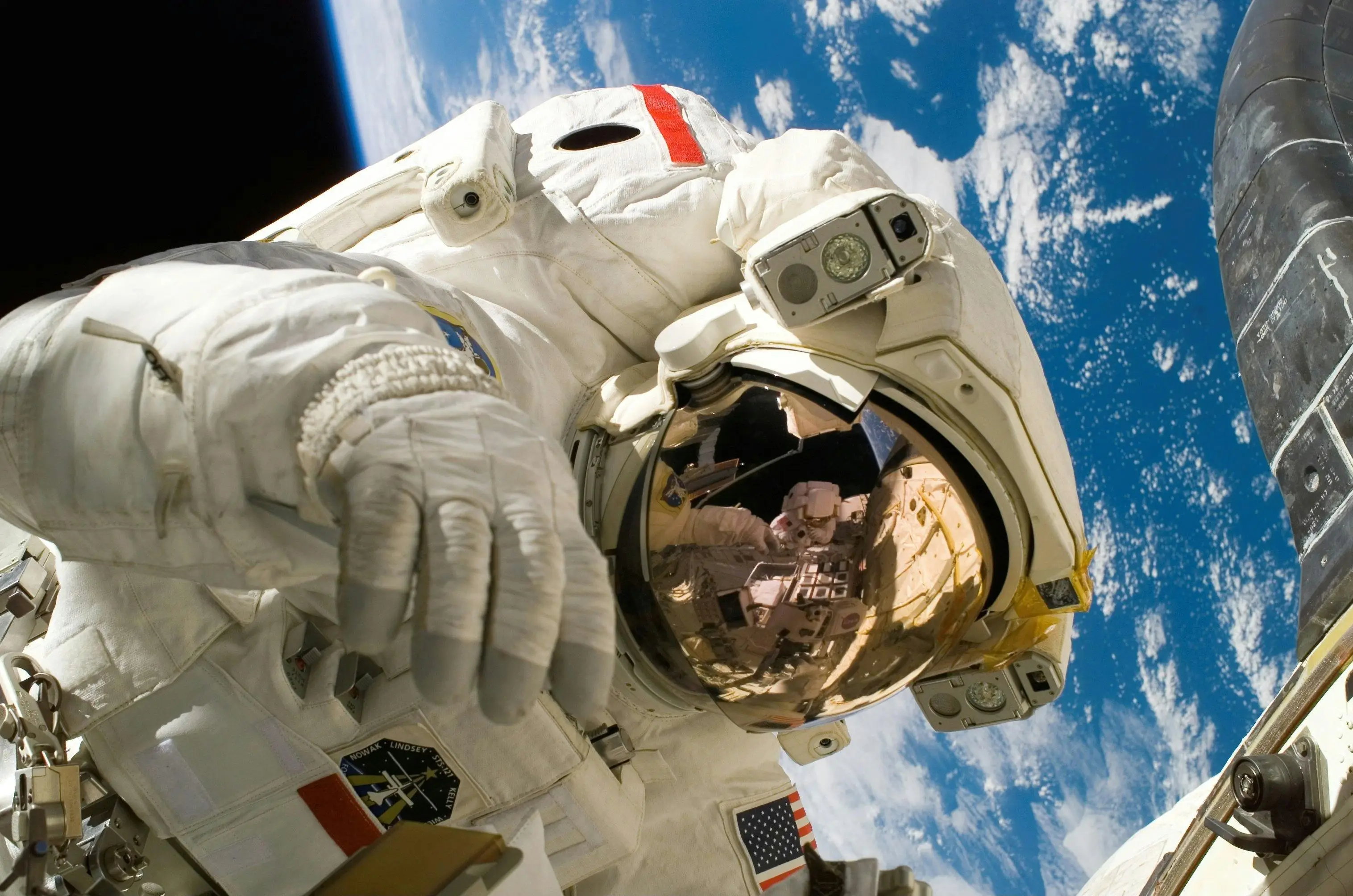
    The bacteria could affect astronauts' health. (Pixabay)
    The bacteria could affect astronauts' health. (Pixabay)

    In regards to how the pathogen can affect a person, the study states: "Enterobacter species act as opportunistic human pathogens, causing nosocomial infections with bacteremia, lower respiratory tract, osteomyelitis, sepsis, and urinary tract infection."

    As to what 'drives' the bacteria, the study goes on to explain: "A hypothesis central to our study was that the singular nature of the stresses of the space environment, distinct from any on Earth, could be driving these genomic adaptations."

    It's hoped that the findings will 'offer a window into the microbial ecosystem dynamics within the ISS' in a bid to mitigate the risks astronauts might face that are associated with potential pathogenic threats.

    Choose your content:

    an hour ago
    2 hours ago
    3 hours ago
    • (Photo by Angelina Katsanis - Pool/Getty Images)
      an hour ago

      Barack Obama clarifies his comments after claiming aliens are 'real'

      Despite having to clarify his earlier comments, the former President still has hope that there's life beyond Earth

      News
    • Andreas SOLARO / AFP via Getty Images
      2 hours ago

      Italian Prime Minister Giorgia Meloni shares AI lingerie photo in warning to country

      Giorgia Meloni didn't make the images herself, but admitted they had 'improved' her

      News
    • World Health Organization
      3 hours ago

      World Health Organization epidemiologist addresses concerns hantavirus is 'the next Covid'

      There's been a suspected hantavirus outbreak on a Dutch cruise ship that's so far claimed the lives of three passengers

      News
    • Getty Stock
      3 hours ago

      Mexico City club is charging US citizens nearly $300 to enter in political move

      The club owner blamed 'years of insults' from Donald Trump for the price hike

      News
    • Mind-blowing animation shows the speed of the International Space Station
    • Astronaut who 'had minutes to live' explains how he survived when space vessel span out of control
    • Mind-blowing animation shows the speed of the International Space Station
    • Incredible footage captures moment International Space Station crew undock and return to Earth