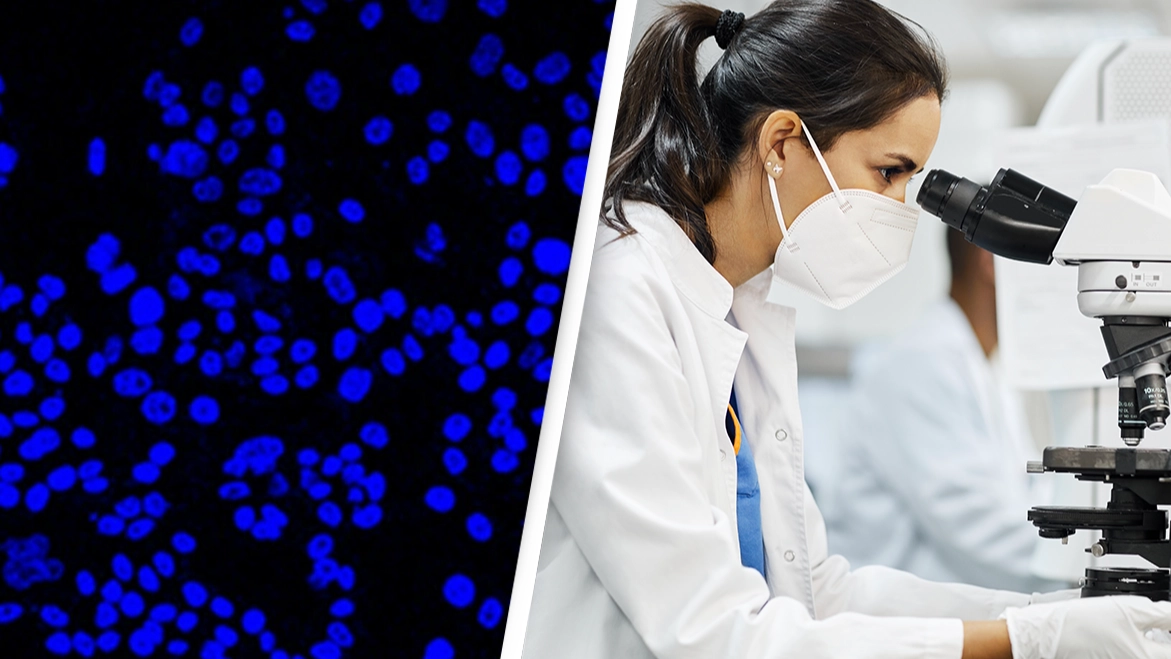
unilad homepage
unilad homepage
  • News
    • UK News
    • US News
    • World News
    • Crime
    • Health
    • Money
    • Sport
    • Travel
  • Music
  • Technology
  • Film and TV
    • News
    • DC Comics
    • Disney
    • Marvel
    • Netflix
  • Celebrity
  • Politics
  • Advertise
  • Terms
  • Privacy & Cookies
  • LADbible Group
  • LADbible
  • SPORTbible
  • GAMINGbible
  • Tyla
  • UNILAD Tech
  • FOODbible
  • License Our Content
  • About Us & Contact
  • Jobs
  • Latest
  • Archive
  • Topics A-Z
  • Authors
Facebook
Instagram
X
Threads
TikTok
YouTube
Submit Your Content
'Cancer-killing' drug is now being tested on humans
Home>News>Health
Published 13:17 2 Aug 2023 GMT+1

'Cancer-killing' drug is now being tested on humans

The new 'cancer-stopping' drug is found to 'annihilate' solid cancerous tumours in early studies.

Anish Vij

Anish Vij

google discoverFollow us on Google Discover
Featured Image Credit: PA/City of Hope/Morsa Images/Getty Images

Topics: Cancer, Health

Anish Vij
Anish Vij

Anish is a Journalist at LADbible Group and is a GG2 Young Journalist of the Year 2024 finalist. He has a Master's degree in Multimedia Journalism and a Bachelor's degree in International Business Management. Apart from that, his life revolves around the ‘Four F’s’ - family, friends, football and food. Email: [email protected]

X

@Anish_Vij

Advert

Advert

Advert

In the US, cancer is the second most likely thing to kill you after heart disease - so it's good news scientists have taken a step closer to stopping it in its tracks.

A new 'cancer-stopping' drug - found to 'annihilate' solid cancerous tumours - is now being tested on humans.

Known as AOH1996, it has been in development for 20 years, and is undergoing early studies in the US.

Anna Olivia Healy, born in 1996 died when she was only nine after being diagnosed with a rare childhood cancer neuroblastoma and is who the drug is being named after.

Advert
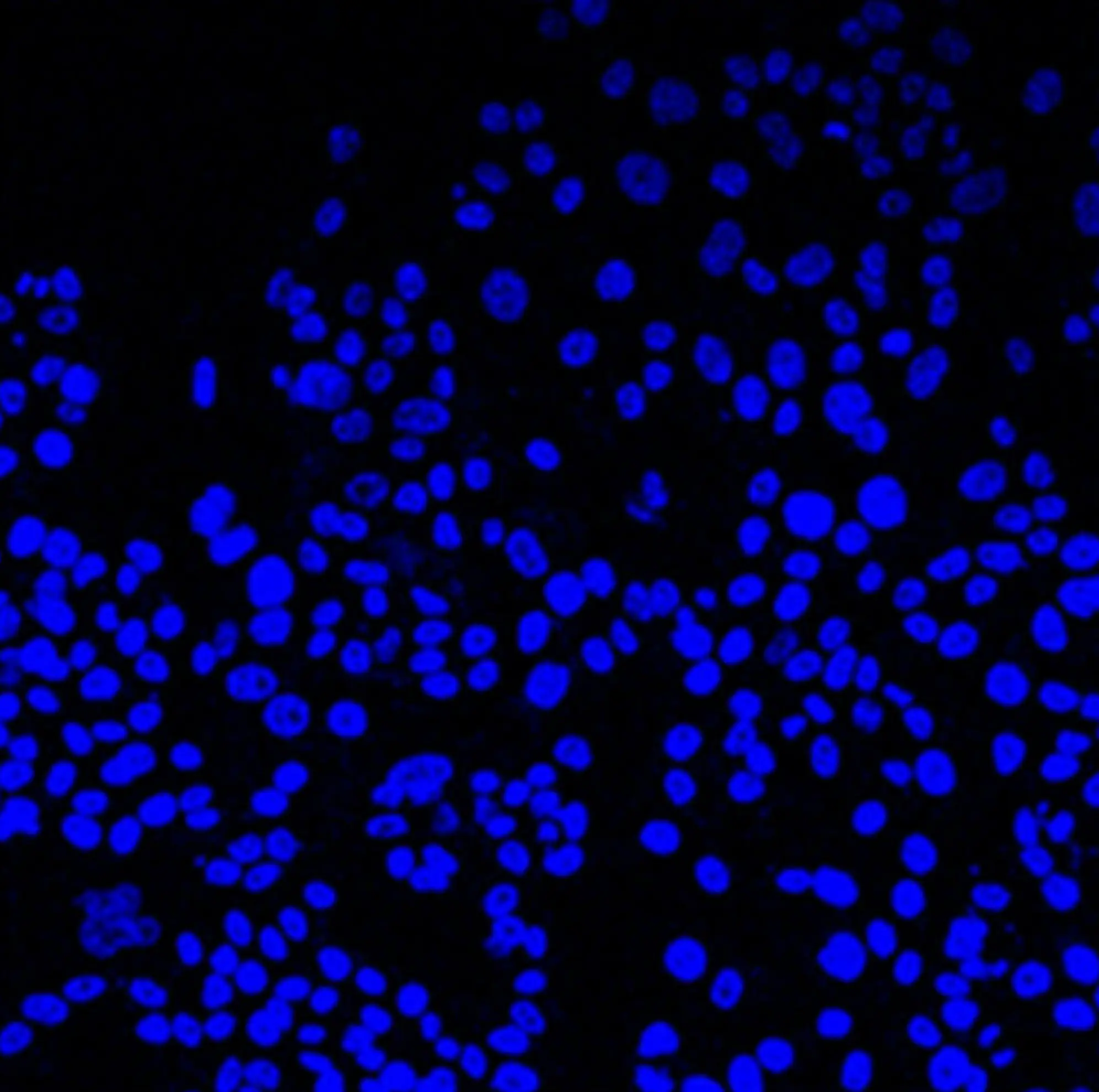
A new 'cancer-stopping' drug - found to 'annihilate' solid cancerous tumours - is now being tested on humans.
PA

Professor Linda Malkas and her team have been working on the drug for two decades, which, they claim, is now able to target a protein in all cancers, including the cancer that lead to Anna's death.

The protein, proliferating cell nuclear antigen (PCNA), was once thought too challenging to aim targeted therapies at.

PCNA in its mutated form encourages tumours to grow by aiding DNA replication and repair of cancerous cells.

Prof Malkas and her team at the City of Hope in California, one of the United States’ largest cancer research and treatment organisations, said their targeted chemotherapy appears to 'annihilate' all solid tumours in preclinical research.

The drug still needs to go through rigorous safety and efficacy testing and large-scale clinical trials before it can be used widely.

But the first patient received the potentially cancer-stopping pill in October with the phase one clinical trial still ongoing and expected to last for at least two years.

Patients are still being recruited to the trial.
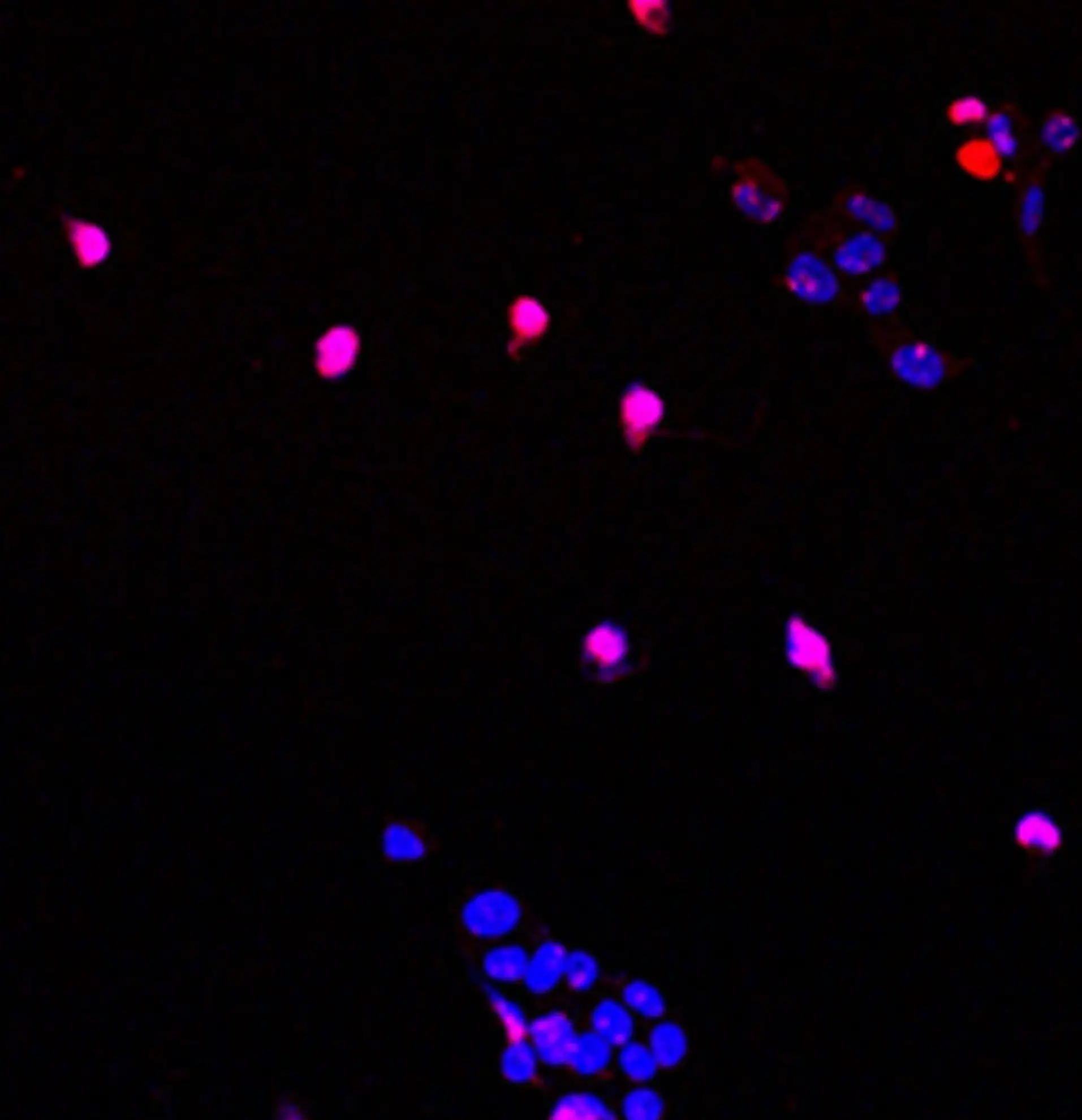
Known as AOH1996, it has been in development for 20 years, and will be undergoing early studies in the US.
PA

Prof Malkas said: “PCNA is like a major airline terminal hub containing multiple plane gates.

“Data suggests PCNA is uniquely altered in cancer cells, and this fact allowed us to design a drug that targeted only the form of PCNA in cancer cells.

“Our cancer-killing pill is like a snowstorm that closes a key airline hub, shutting down all flights in and out only in planes carrying cancer cells.”

The professor called the results 'promising' but made clear that research has only found AOH1996 can suppress tumour growth in cell and animal models.

Lead author of the study, Long Gu, said: “No-one has ever targeted PCNA as a therapeutic because it was viewed as ‘undruggable’, but clearly City of Hope was able to develop an investigational medicine for a challenging protein target.”

The study – titled 'Small Molecule Targeting of Transcription-Replication Conflict for Selective Chemotherapy' – was published in the Cell Chemical Biology journal.

Our fingers are well and truly crossed.

  • New research reveals surprising effect GLP-1s could have on cancer patients
  • Thyroid cancer treatment explained as Pam Bondi pictured with neck bandage
  • Woman discovered she had 'killer cancer' after dismissing 'unbearable' itch for years
  • 'Forever chemicals' hidden in certain air fryers may cause cancer, expert warns

Choose your content:

29 mins ago
an hour ago
2 hours ago
  • Frisco Police Department
    29 mins ago

    Karmelo Anthony murder trial reveals Austin Metcalf's last words after teen was fatally stabbed at track meet

    Karmelo Anthony has raised nearly $600k for his legal defence through GiveSendGo

    News
  • Getty stock image
    an hour ago

    US travel rules explained as World Cup star blocked from entering country just days before tournament

    The FIFA World Cup begins on June 11 and runs until July 19 across the US, Canada and Mexico

    News
  • Photo by Steph Chambers/Getty Images
    2 hours ago

    Scientists calculate who will win the World Cup and there's a clear favorite

    Researchers at the University of Innsbruck used bookmaker odds, player performance and more to calculate the likelihood of winning

    News
  • Getty Stock Image
    2 hours ago

    Effects vaping has on the body as study warns certain flavors linked deadly conditions

    It remains unclear at this time the long-term damage vaping could cause

    News