
Symptoms of acute myeloid leukemia explained after JFK's granddaughter Tatiana Schlossberg dies aged 35

These are the symptoms of acute myeloid leukemia after Tatiana Schlossberg died at the age of 35.
The granddaughter of former President John F. Kennedy and a celebrated environmental journalist, Schlossberg passed away weeks after publicly sharing her terminal cancer diagnosis.
News of her death was confirmed on Tuesday (December 30), in a statement by the JFK Library Foundation on Instagram.
“Our beautiful Tatiana passed away this morning,” the post read. “She will always be in our hearts.”
Advert
The statement was signed by Schlossberg’s immediate family, including her husband George Moran, their two children Edwin and Josephine, as well as her parents and siblings.
Last month, Schlossberg opened up about her acute myeloid leukemia (AML) in an essay for The New Yorker, explaining she had been diagnosed with the disease after she welcomed her second child.

Despite undergoing two rounds of chemotherapy, two stem cell transplants and taking part in multiple clinical trials, the disease ultimately proved fatal.
AML is an aggressive cancer affecting the blood and bone marrow.
While AML is most often diagnosed in people over 60, it can also occur in younger adults and children.
There are several subtypes of AML - each type interferes with normal blood cell production, but symptoms and responses to treatment can vary.
Around 20,000 new AML cases are diagnosed in the US each year, as per the American Cancer Society.
What are the symptoms of acute myeloid leukemia?
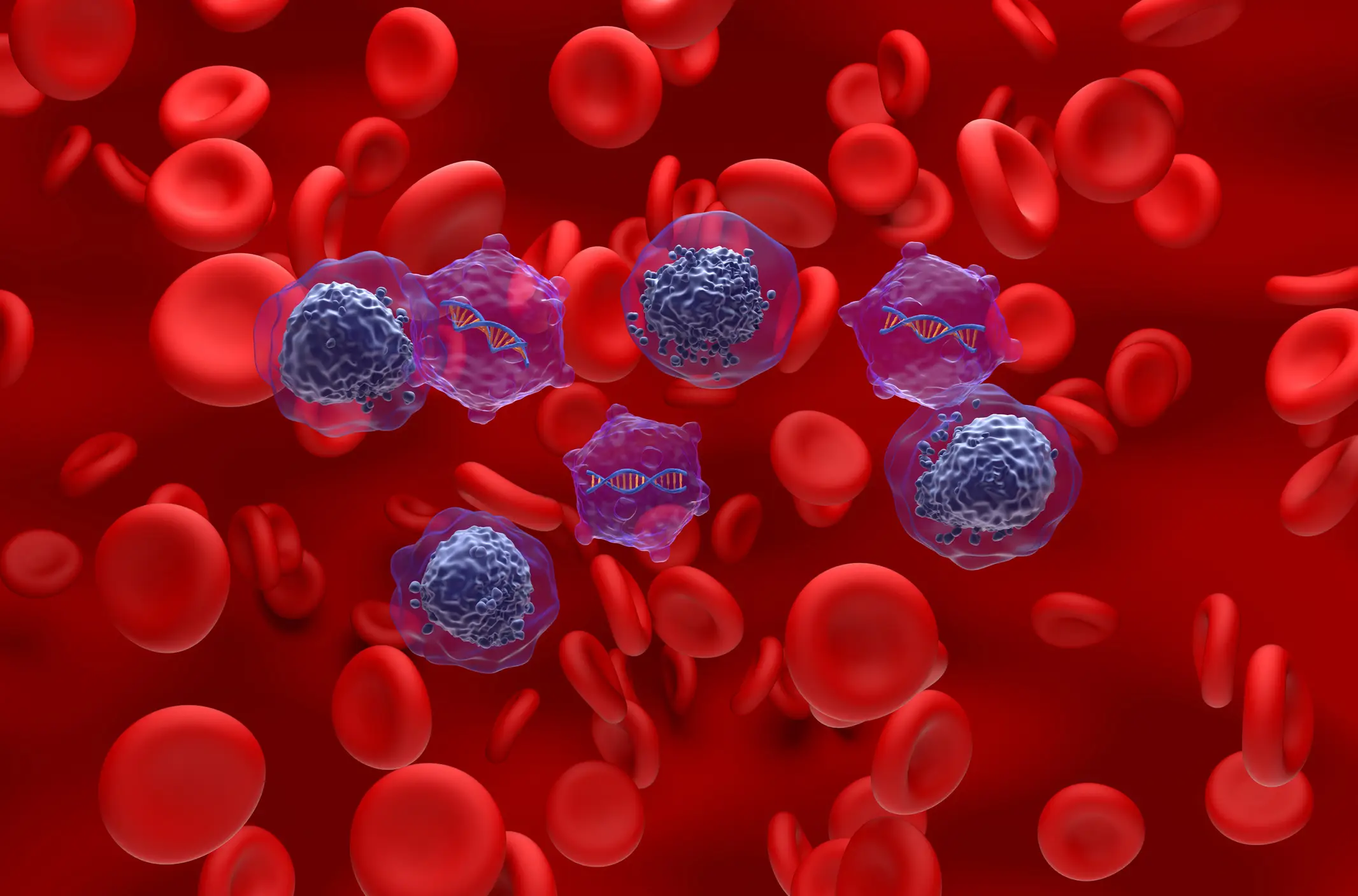
There are several signs of acute myeloid leukemia to be aware of, as the Cleveland Clinic reports.
In its early stages, the disease might feel like a persistent cold or flu that doesn’t clear up.
Because it progresses quickly, symptoms often become more severe over a short period of time.
Later signs may include:
- Dizziness
- Easy bruising or bleeding, such as frequent nosebleeds or bleeding gums
- Fatigue
- Feeling unusually cold
- Fever
- Night sweats
- Repeated infections or infections that don’t resolve
- Headaches
- Reduced appetite
- Unexplained weight loss
- Pale skin
- Shortness of breath
- Swollen lymph nodes
- General weakness
- Pain in the bones, back or abdomen
- Small red spots on the skin, called petechiae
- Wounds or sores that fail to heal
If you have any concerns, contact your doctor.
If you’ve been affected by any of these issues and want to speak to someone in confidence, contact the American Cancer Society on 1-800-227-2345 or via their live chat feature, available 24/7 every day of the year.
Topics: Cancer, John F. Kennedy, Health, US News
 Ellie Kemp