unilad homepage
unilad homepage
    • News
      • UK News
      • US News
      • World News
      • Crime
      • Health
      • Money
      • Sport
      • Travel
    • Music
    • Technology
    • Film and TV
      • News
      • DC Comics
      • Disney
      • Marvel
      • Netflix
    • Celebrity
    • Politics
    • Advertise
    • Terms
    • Privacy & Cookies
    • LADbible Group
    • LADbible
    • SPORTbible
    • GAMINGbible
    • Tyla
    • UNILAD Tech
    • FOODbible
    • License Our Content
    • About Us & Contact
    • Jobs
    • Latest
    • Archive
    • Topics A-Z
    • Authors
    Facebook
    Instagram
    X
    Threads
    TikTok
    YouTube
    Submit Your Content
    'Cocaine sharks' have been confirmed to be swimming off the coast of Brazil
    Home>News>Animals
    Published 18:35 23 Jul 2024 GMT+1

    'Cocaine sharks' have been confirmed to be swimming off the coast of Brazil

    An alarmingly high concentration of the drug was found in the shark's systems

    Gerrard Kaonga

    Gerrard Kaonga

    google discoverFollow us on Google Discover
    Featured Image Credit: Getty/Nautilus Creative/Getty/mofles

    Topics: Animals, Drugs, World News

    Gerrard Kaonga
    Gerrard Kaonga

    Gerrard is a Journalist at UNILAD and has dived headfirst into covering everything from breaking global stories to trending entertainment news. He has a bachelors in English Literature from Brunel University and has written across a number of different national and international publications. Most notably the Financial Times, Daily Express, Evening Standard and Newsweek.

    Advert

    Advert

    Advert

    You read that right... scientists have found that multiple sharks off the coast of Brazil have tested for high levels of cocaine in their system.

    The Oswaldo Cruz Foundation recently tested 13 Brazilian sharpnose sharks taken from near the shores of Rio de Janeiro as part of ongoing research, and were disturbed with their discovery.

    The concentrations of cocaine found in the unfortunate shark's muscles and livers were estimated to be as much as 100 times higher than previously reported for other aquatic creatures in the area.

    Experts have begun rattling their brains for what is the cause of this increase. It might not have to be said... but sharpnose sharks do not naturally produce cocaine in their bodies.

    Advert
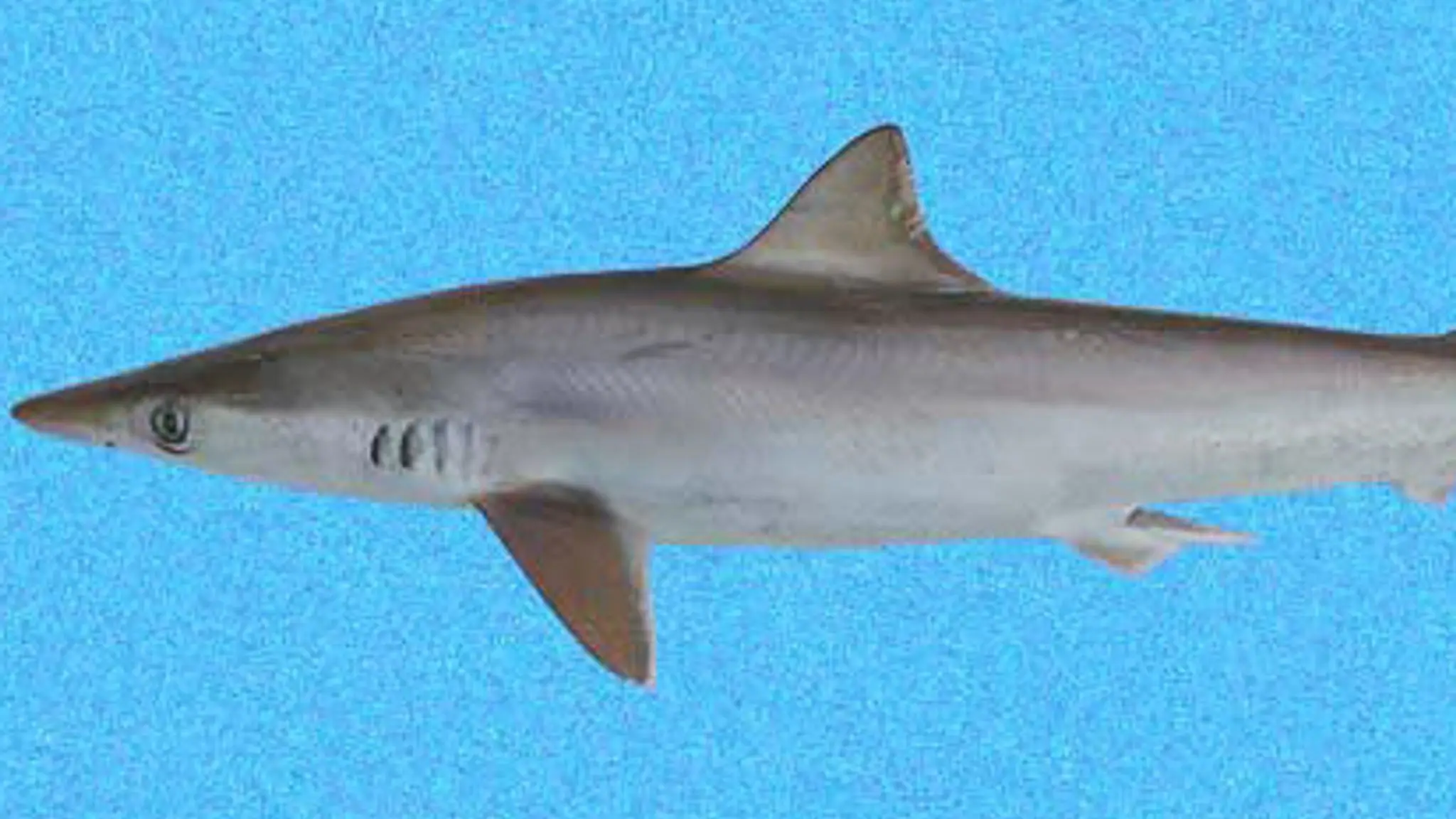
    A Brazilian sharpnose shark. (Smithsonian Tropical Research Institute)
    A Brazilian sharpnose shark. (Smithsonian Tropical Research Institute)

    The Oswaldo Cruz Foundation are the first to find presence of cocaine in sharks in this area.

    So, how did the class A drug get into the shark's systems?

    Well experts believe there are quite a few ways it could be finding its way into the unsuspecting animals.

    One possibility is that it is entering the waters via illegal labs, where the drug is being manufactured. It is also possible that it is getting into the water through the excrement of drug users.

    Some have suggested that packs of cocaine lost or dumped by traffickers could be the cause, but researchers have said this is less likely.

    British scientist and member of the research team from the Oswaldo Cruz Foundation in Rio de Janeiro Dr Rachel Ann Hauser-Davis told the Telegraph: “We don’t usually see many bales of coke dumped or lost at sea here, unlike in Mexico and Florida.

    Researchers believe illegal labs producing cocaine may be responsible.(Getty Stock Image)
    Researchers believe illegal labs producing cocaine may be responsible.(Getty Stock Image)

    Interestingly, all the females that were recovered were found to be pregnant, but researchers are not completely sure of the consequences of cocaine on fetuses.

    Sara Novais, a marine eco-toxicologist at the Marine and Environmental Sciences Centre of the Polytechnic University of Leiria, has said the finding are ‘potentially worrying’ but the discovery is also very important.

    Dr Enrico Mendes Saggioro, an ecotoxicologist from the Oswaldo Cruz Institute, said it was important for scientists to continue studying the effects of cocaine on animals.

    He said: "This may be the case, as cocaine targets the brain, and hyperactive and erratic behaviour has been noted in other animals. It’s a possibility and further studies are required."

    Choose your content:

    6 hours ago
    7 hours ago
    8 hours ago
    • Getty Stock Image
      6 hours ago

      Expert issues warning to people who sit with legs crossed and reveals what to do instead

      Hip pain isn't the only health issue the common seating position can cause

      News
    • Photo by Roberto Schmidt/Getty Images)
      7 hours ago

      Trump set to rake in millions by renaming Florida airport after himself

      The President's son Eric said there was 'no person more deserving of this incredible honor'

      News
    • The Late Show with Stephen Colbert
      7 hours ago

      Obama surprises Stephen Colbert when asked if he should run for president

      With the Democratic nomination for president lying wide open, Stephen Colbert is being told to throw his hat in the ring

      News
    • Chip Somodevilla/Getty Images
      8 hours ago

      Police slam FBI director Kash Patel's claims on Nancy Guthrie case in fierce reply

      The high-profile search for Nancy Guthrie has devolved into a blame game, as the 84-year-old's disappearance breaks the three-month mark

      News
    • Sharks in popular tourist hotspot are high on cocaine and caffeine, study finds
    • Netflix debuts bizarre documentary of how entire island got addicted to cocaine after drug smuggling goes wrong
    • Amateur archaeologist claims to have found 12,000-year-old underwater city off US coast
    • Jeffrey Epstein’s cellmate claims to have read his suicide note that's been sealed from the public