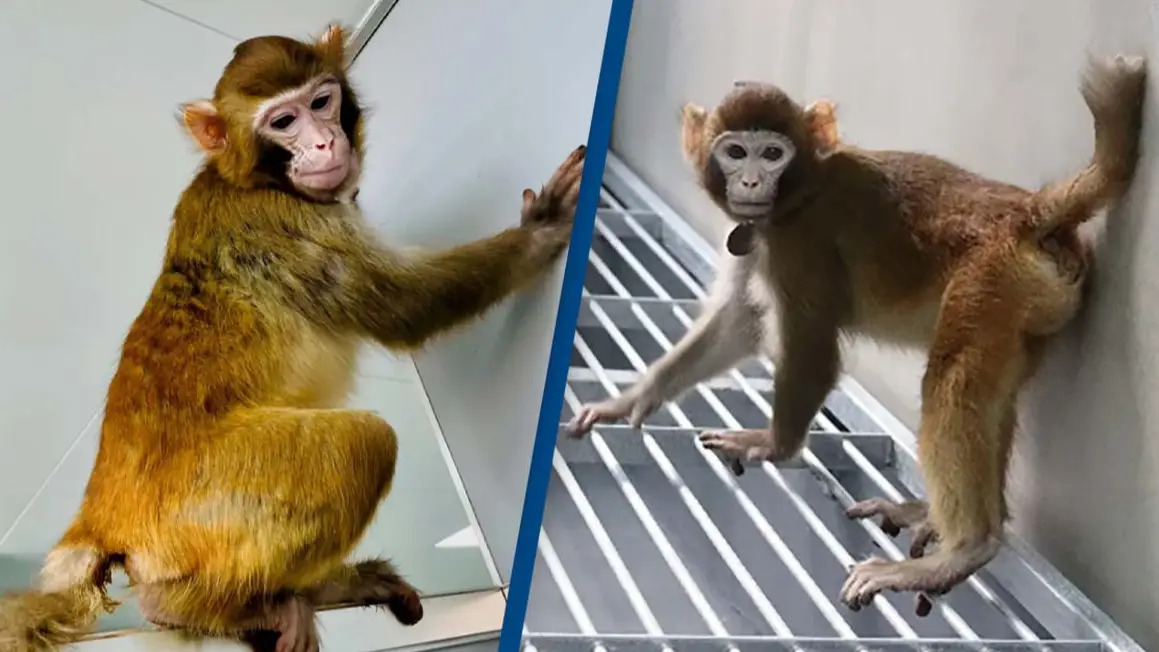
World first as cloned monkey has managed to survive for more than 2 years

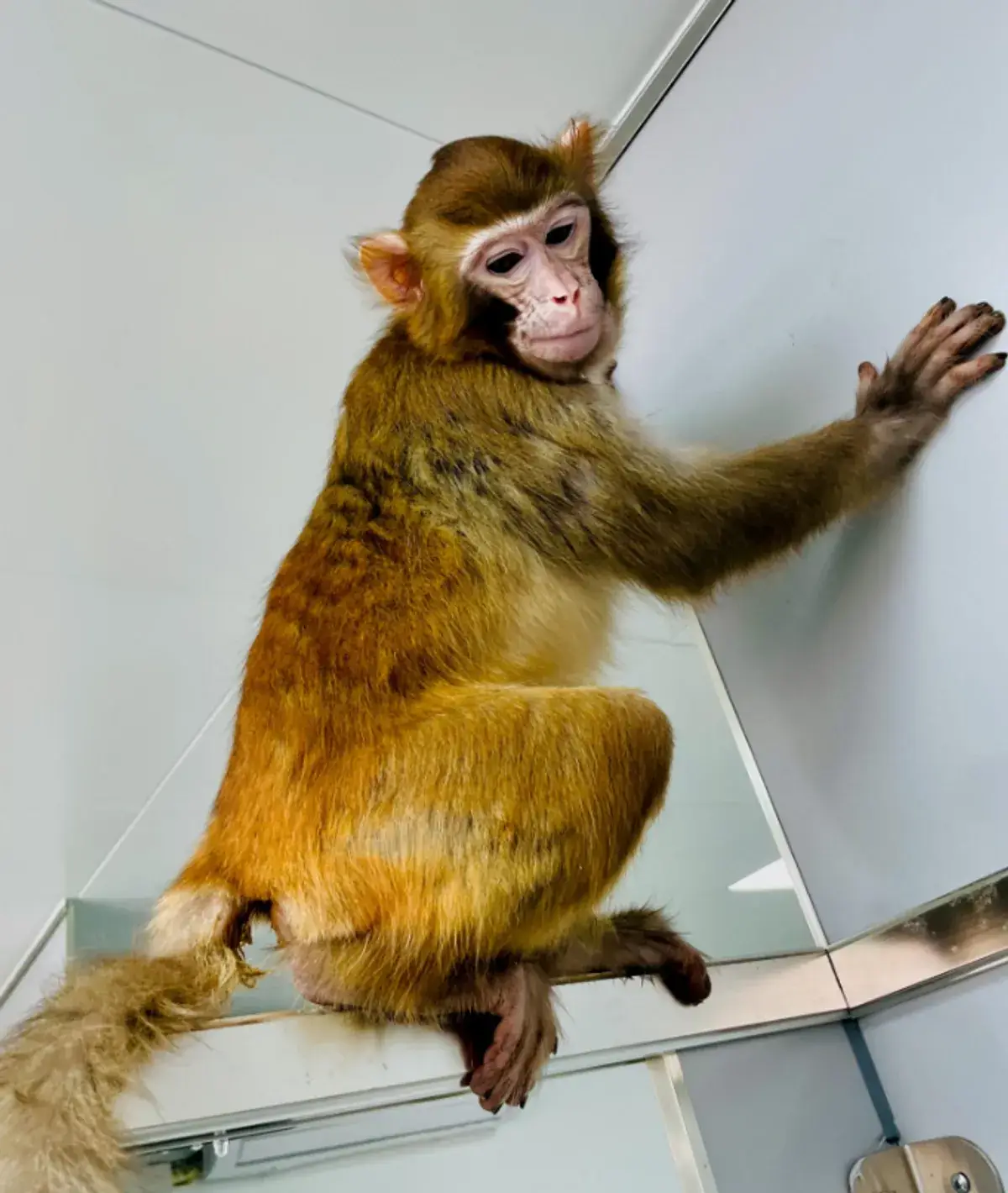
ReTro the monkey is making history.
The adorable rhesus monkey has officially hit adulthood, making him the first cloned monkey to do so.
Other cloned monkeys have been born over the years, but sadly didn't live very long.
Advert
As to how a cloned monkey is created, the process - called somatic cell nuclear transfer (SCNT) - involves extracting the genetic information from a standard cell and implanting it into an egg from another monkey that has had its own genetic material removed.
SCNT is the same technique used by scientists to create Dolly the sheep in 1996. She lived to over the age of six.
This complex technique has been used to create a rhesus monkey before, but it ultimately failed. The primate tragically died just 12 hours after its birth.
But then a team from the Chinese Academy of Sciences tried again and used 113 embryos, 11 of which were implanted and achieved two pregnancies and one live birth - resulting with ReTro.
One of the other surrogates was carrying twins, but they died on day 106 of gestation.
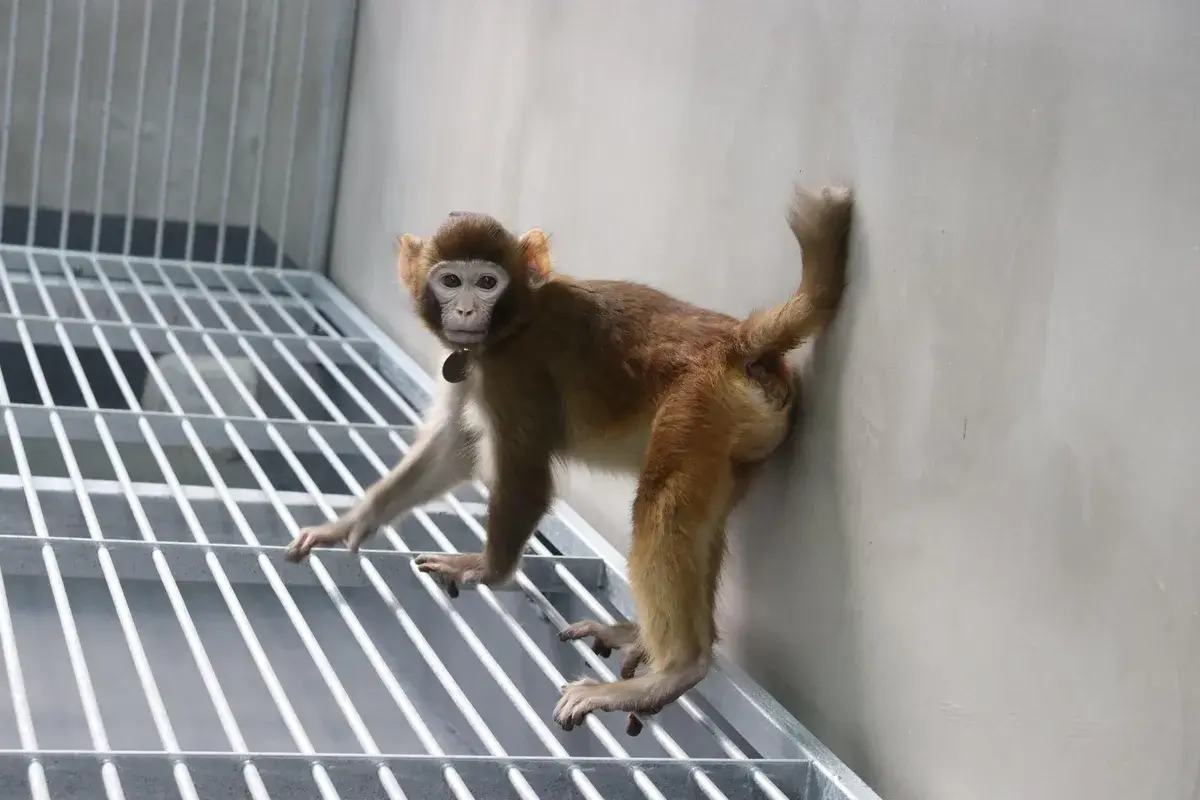
Mu-ming Poo, director of the Institute of Neuroscience in the Chinese Academy of Sciences in Shanghai, has since expressed researchers' hopes to use monkeys like ReTro 'for drug efficacy tests'.
Doubling down on this, part of the new journal published today (January 16), said that cloned primates' survival 'is of great importance' as they are 'extensively used for basic and clinical research'.
Scientists have been known to use cloned monkeys to model conditions such as anxiety and depression to assess the efficiency and safety of some antidepressants, Nature writes.
With this in mind, British welfare charity the RSPCA, has expressed its concerns.
"There is no immediate application for this study. We are expected to assume that human patients will benefit from these experiments, but any real-life applications would be years away and it is likely that more animal 'models' will be necessary in developing these technologies," a spokesperson told BBC News.
Going on to note the low success rates of animal cloning, the charity went on: "The RSPCA is deeply concerned about the very high numbers of animals who experience suffering and distress in these experiments and the very low success rate. Primates are intelligent and sentient animals, not just research tools."
The cloning of primates is prohibited in Europe on ethical grounds.
In response, researcher Dr Falong Lu said: "All animal procedures in our research adhered to the guidelines set by the Animal Use and Care Committees at the Shanghai Institute of Biological Science, Chinese Academy of Sciences (CAS), and the Institute of Neuroscience, CAS Center for Excellence in Brain Science and Intelligence Technology.
"The protocol has been approved by the Animal Use and Care Committee of the CAS Center for Excellence in Brain Science and Intelligence Technology."
Topics: News, World News, Animals, Science
 Niamh Shackleton