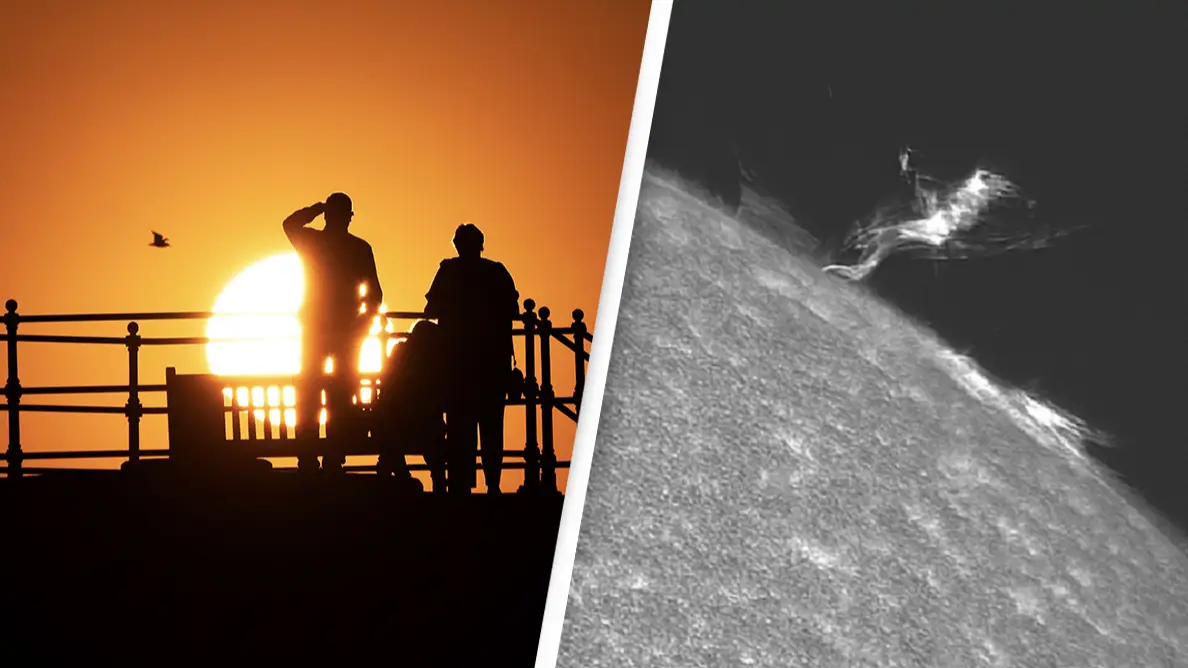
12,000-Mile Solar Tornado Big Enough To Swallow Earth Has Erupted On Surface Of The Sun

As the earth tipped its hat to the sun for this year’s summer solstice, it appears the burning star did the same by emitting a 12,000-mile-long solar tornado big enough to swallow our planet.
A man named Apollo Lasky from Illinois, US, used his backyard solar telescope to capture the incredible footage.
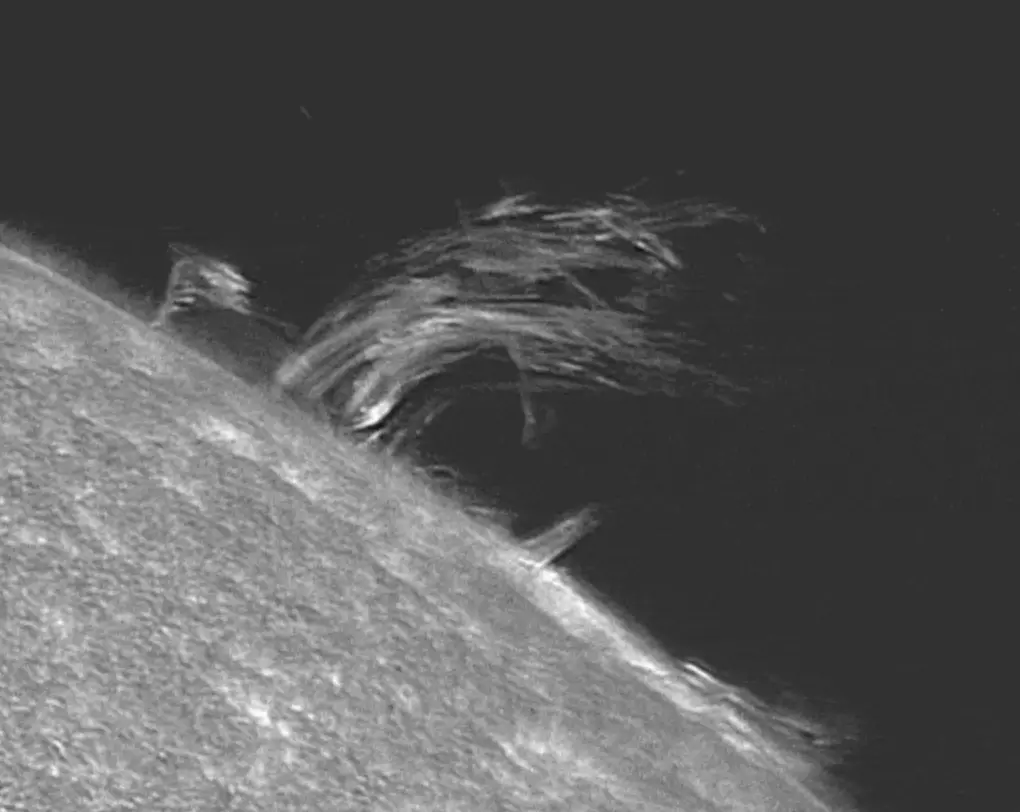
What you'll see in the clip below is part of a ‘solar storm system’ that sent a swirling vortex of boiling hot plasma shooting out from the sun’s surface.
Advert
Although the twister was big enough to swallow earth, as explained by SpaceWeather.com, it simply fell back onto the scorching star – but not before Lasky had caught the space show on camera.
And the moment unfolded on 21 June, no less – the day of summer solstice when one of the earth’s poles experiences its maximum tilt towards the sun.
According to the report: “Apollo Lasky of Naperville, Illinois, photographed the twister on June 21st, the summer solstice, using a backyard solar telescope.
“This solar storm system did not hurl material toward Earth. Instead, most of the tornado fell back to the sun after an exhausting spin.”
If you’re wondering what a solar tornado actually is, Astronomy & Astrophysics explains that the term is used to describe rotating magnetic structures above the solar limb – in this case the sun’s surface.
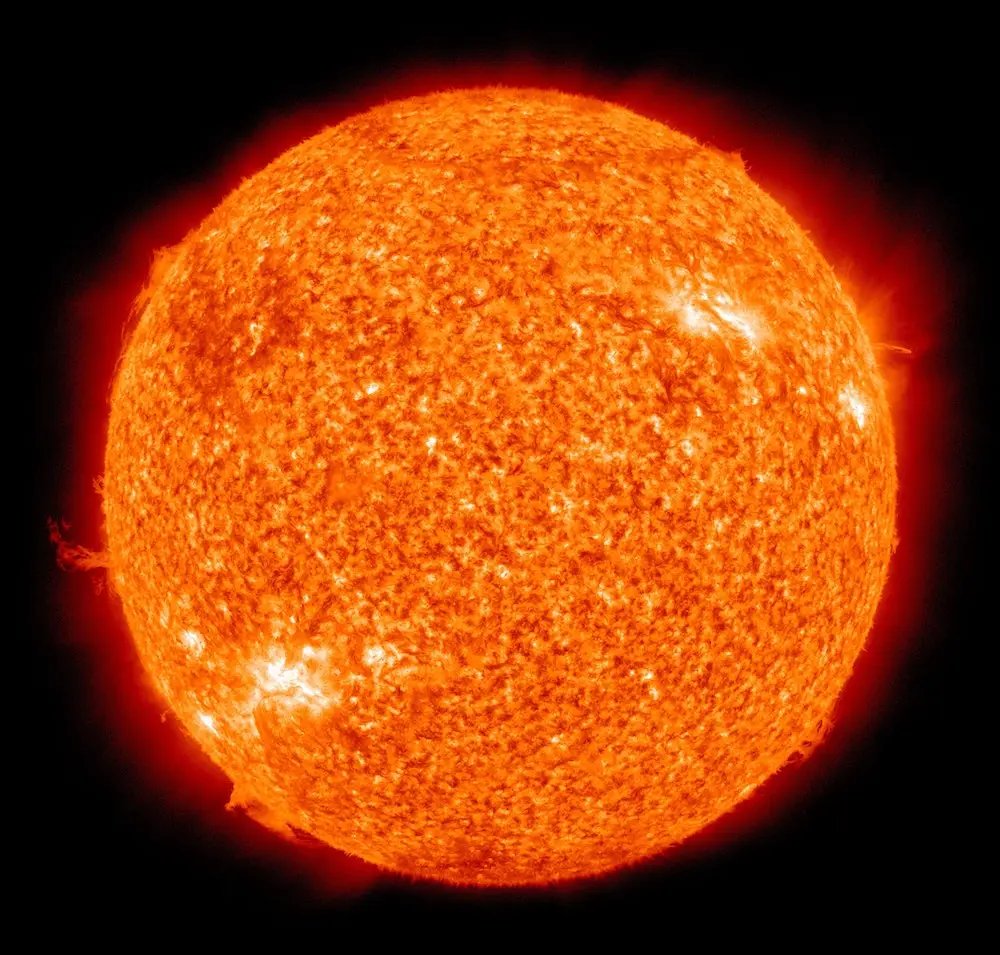
These often form part of the larger magnetic structure that causes plasma tornado-like structures that are rooted to the surface of the sun and are significantly more powerful that the twisters we experience on earth.
When the phenomenon was captured by NASA’s Solar Dynamics Observatory in 2012, they wrote: “Under the spacecraft's constant gaze the sun's invisible magnetic field betrays its presence by bending charged gas, or plasma, into entrancing patterns.”
As for Lasky, the astrophotographer has captured some amazing scenes from the sun using his solar telescope over the years.
He told UNILAD that the solar filter on his telescope is something he developed over the course of eight years with various trial and error experiments in his own home.
Lasky says in his bio that he’s ‘famous for getting banned off of every astronomy forum’ due to his solar telescope, adding that safety is his ‘#1 priority’ and nothing he does is dangerous.
Elaborating on the safety of his equipment, he said: “The light intensity levels I work with will cause cellular damage to the eye due to heating similar to an industrial laser for cutting metals.
“I strictly prohibit the use of my filter to be ‘photographic only’. This means nobody should ever look through it with an eyepiece.
“As the majority of humans’ are blind to the near-uv wavelength – it would be like shining a street lamp directly on your face and you would be unaware of how bright the light actually is. It would appear to be very dim to our eyes, but is indeed blazingly brilliant.
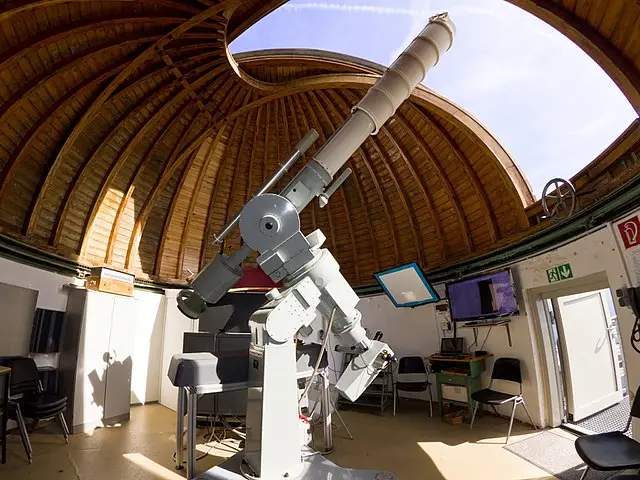
“The camera ensures that my solar imaging work is entirely safe, as everything is safely viewed on an LCD video screen.”
Safe to say the dude is a maverick in the arena of astrophotography and, thanks to his methods, we’re able to enjoy footage that truly is out of this world.
Topics: Space, World News
 Daisy Phillipson