unilad homepage
unilad homepage
    • News
      • UK News
      • US News
      • World News
      • Crime
      • Health
      • Money
      • Sport
      • Travel
    • Music
    • Technology
    • Film and TV
      • News
      • DC Comics
      • Disney
      • Marvel
      • Netflix
    • Celebrity
    • Politics
    • Advertise
    • Terms
    • Privacy & Cookies
    • LADbible Group
    • LADbible
    • SPORTbible
    • GAMINGbible
    • Tyla
    • UNILAD Tech
    • FOODbible
    • License Our Content
    • About Us & Contact
    • Jobs
    • Latest
    • Archive
    • Topics A-Z
    • Authors
    Facebook
    Instagram
    X
    Threads
    TikTok
    YouTube
    Submit Your Content
    Over 100 never-before-seen species discovered along deep-sea mountain range
    Home>News
    Updated 09:50 26 Feb 2024 GMTPublished 09:48 26 Feb 2024 GMT

    Over 100 never-before-seen species discovered along deep-sea mountain range

    A group of international scientists made the discovery off the coast of Chile

    Callum Jones

    Callum Jones

    google discoverFollow us on Google Discover
    Featured Image Credit: Schmidt Ocean Institute

    Topics: Science, News, Animals

    Callum Jones
    Callum Jones

    Advert

    Advert

    Advert

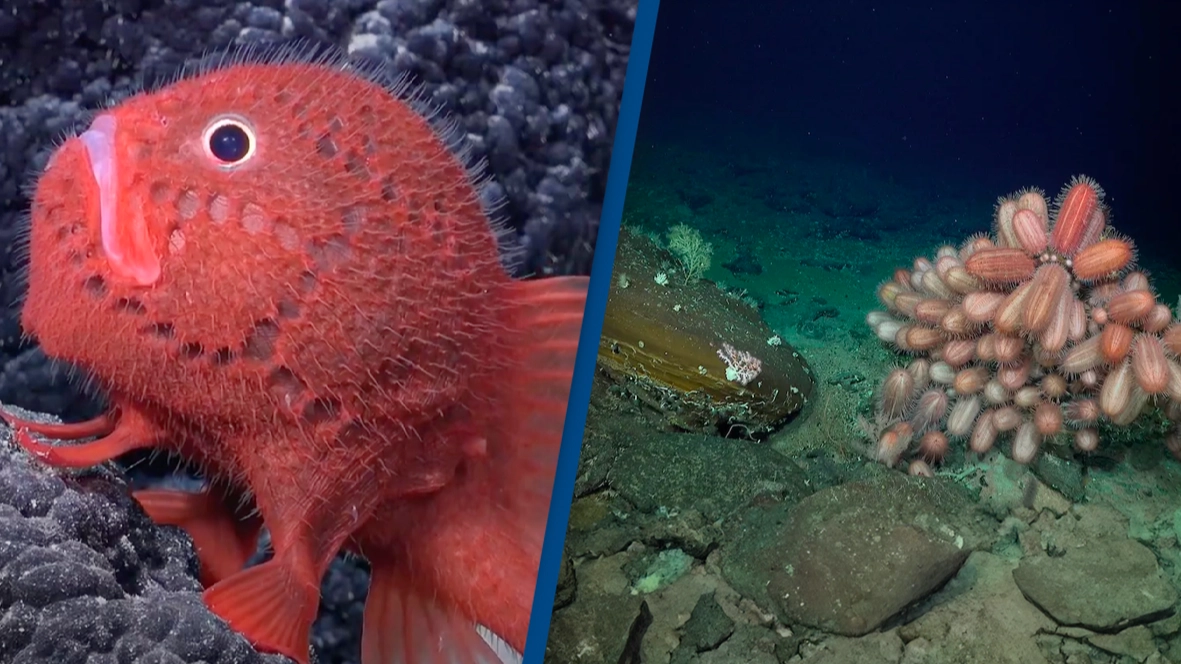
    In exciting developments, more than 100 new species may have been discovered on an underwater mountain chain near Chile.

    While scientific studies can help us learn more about space and our solar system, experts are always on hand to uncover more surrounding things closer to home.

    A recent Schmidt Ocean Institute expedition, which consisted of a team of international researchers led by Dr Javier Sellanes of the Universidad Católica del Norte, took a closer look at seamounts off the coast of Chile and confirmed an abundance of life there.

    Among the new species found as part of the expedition were corals, glass sponges, sea urchins, amphipods and lobsters.

    Advert
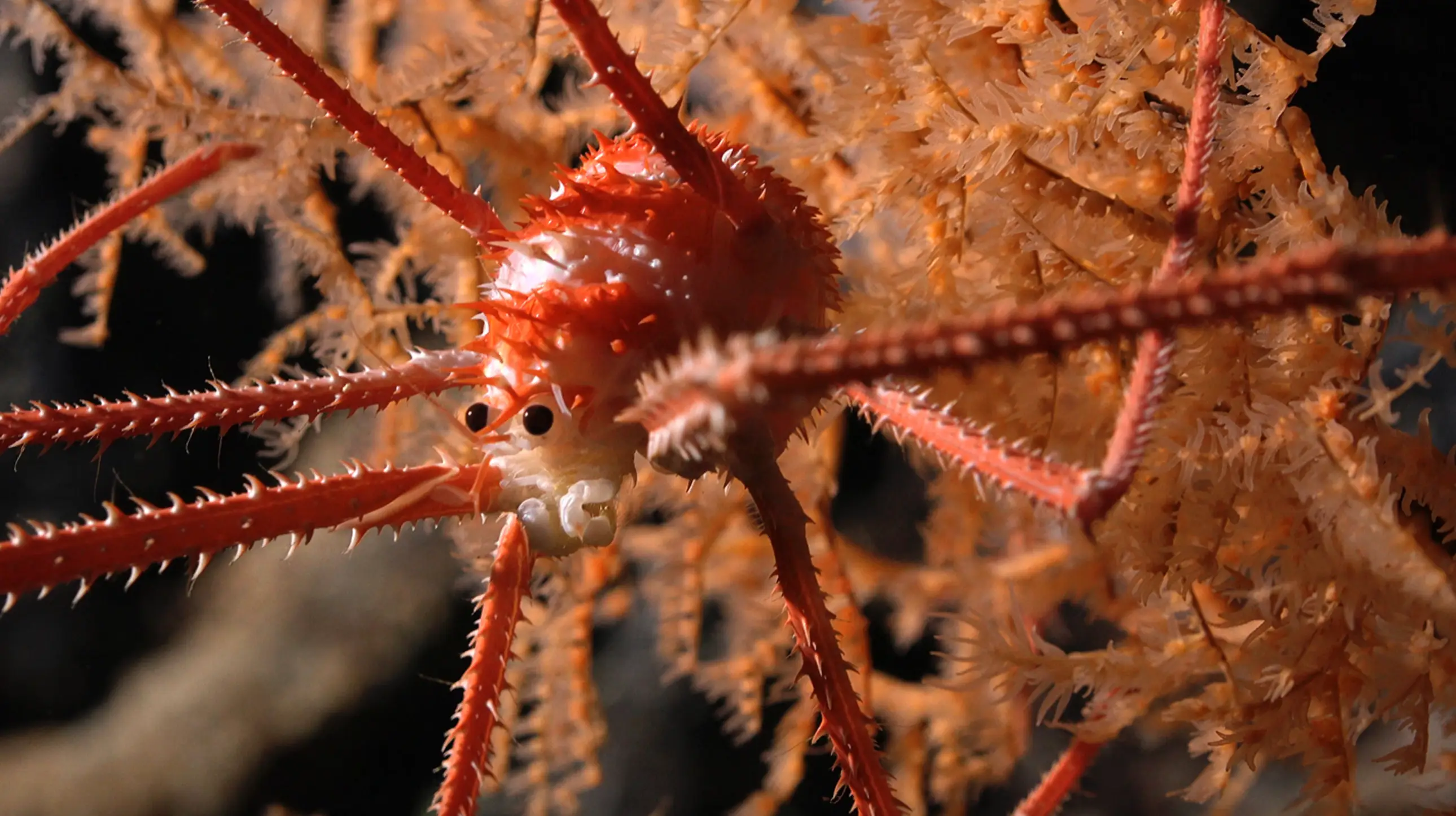
    A squat lobster discovered as part of the findings.
    Schmidt Ocean Institute

    The group explored the seamounts along the Nazca and Salas y Gómez Ridge, a 2,900-kilometer-long underwater mountain chain consisting of more than 200 seamounts from offshore Chile to Rapa Nui - otherwise known as Easter Island.

    Scientists manoeuvred inside and outside of Chile's jurisdiction, something that allowed them to collect data that could support the designation of an international high-seas marine protected area.

    On top of all that, they explored two of Chile’s marine protected areas - the Juan Fernandez and Nazca-Desventuradas marine parks.

    READ MORE

    NEW SPECIES OF SEA MONSTER HAS 20 ARMS AND LOOKS LIKE FACEHUGGER FROM ALIEN MOVIE

    SCIENTISTS BELIVE THEY MIGHT HAVE FOUND A NEW SPECIES OF HUMAN

    The experts used an underwater robot to help with their expedition. The machine is capable of descending to depths of 4,500 meters, subsequently allowing data to be collected from ten seamounts that will be used to advance Chile’s marine protection efforts.

    It was quickly found that each seamount hosted distinctive ecosystems, though many of them were seen as vulnerable, including deep-sea coral reefs and sponge garden.
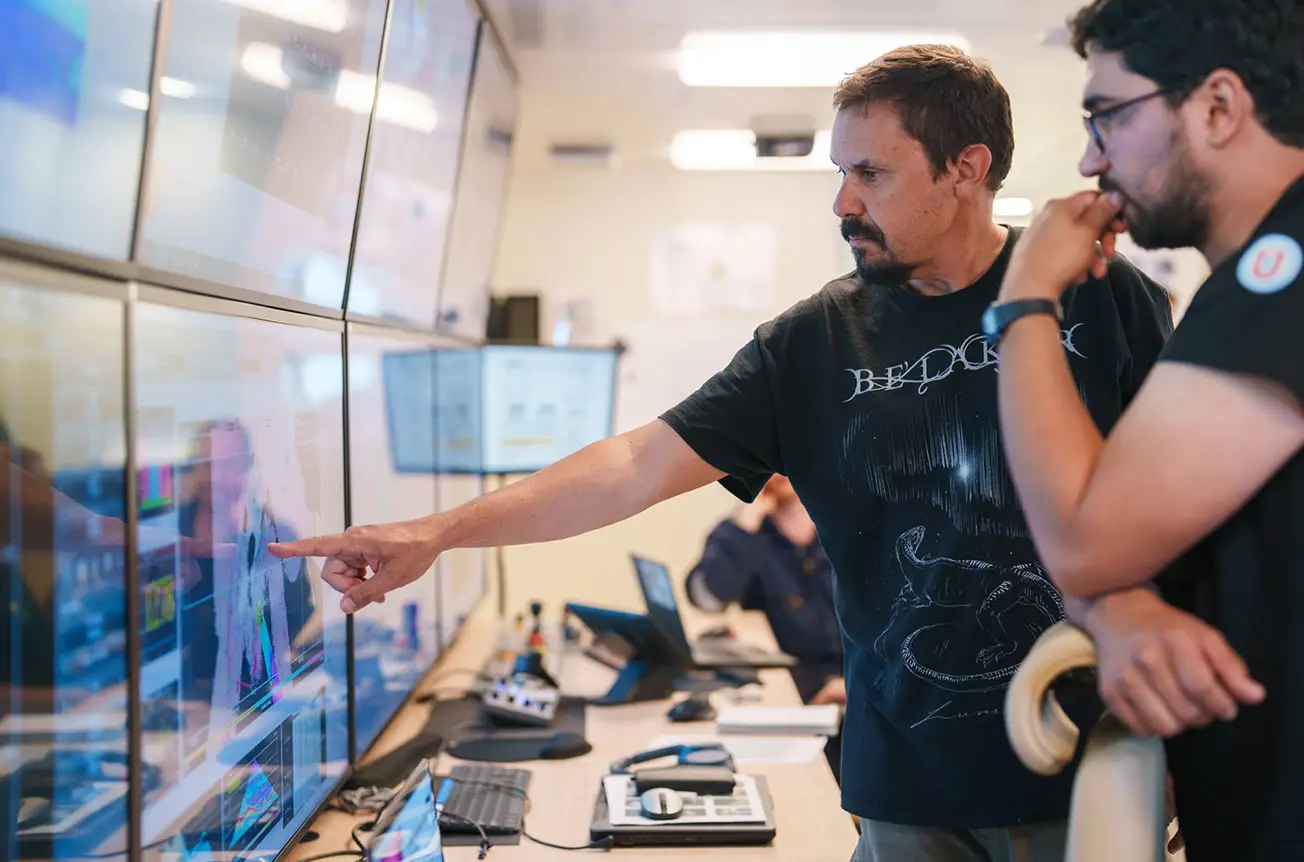
    Dr Javier Sellanes led the expedition.
    Schmidt Ocean Institute

    The scientists are currently analyzing all of the data and genetics of the specimens that they believe are new to science to establish if they are, in fact, new species.

    “We far exceeded our hopes on this expedition. You always expect to find new species in these remote and poorly explored areas, but the amount we found, especially for some groups like sponges, is mind-blowing,” said Dr Sellanes.

    “These thriving and healthy ecosystems indicate that the Nazca-Desventuradas and Juan Fernández Marine Parks effectively protect delicate marine habitats.”

    While Schmidt Ocean Institute Executive Director Dr Jyotika Virmani, added: "Full species identification can take many years, and Dr Sellanas and his team have an incredible number of samples from this amazingly beautiful and little-known biodiversity hotspot."

    Choose your content:

    4 hours ago
    • Getty Stock Photo
      4 hours ago

      Doctor issues toilet warning and says everyone should follow 'two-hour' rule

      Dr Karan Rajan explained how often we should be using the toilet and what it could mean if we regularly go too often

      News
    • (Photo by Matthew Horwood/Getty Images)
      4 hours ago

      Pot Noodle spark debate after calling out customers who don't like the vegetables

      The noodle company urged people to 'stop complaining'

      News
    • The New England Journal of Medicine
      4 hours ago

      Woman left with blue-gray arms and legs after rare reaction to common medication

      The 68-year-old was taking the drug to minimise the symptoms of a skin condition

      News
    • Anna Moneymaker/Getty Images
      4 hours ago

      Trump slams ABC reporter after asking about gas prices and the Iran war

      The president described the reporter as a 'horror show'

      News
    • Trump releases highly anticipated UFO files including never before seen footage
    • Infected 'zombie' spiders never seen before are invading US homes
    • Bacteria with ‘unique abilities’ has mutated on space station into something never seen before on Earth
    • Scientists discover interstellar object the size of Manhattan producing never-before-seen material