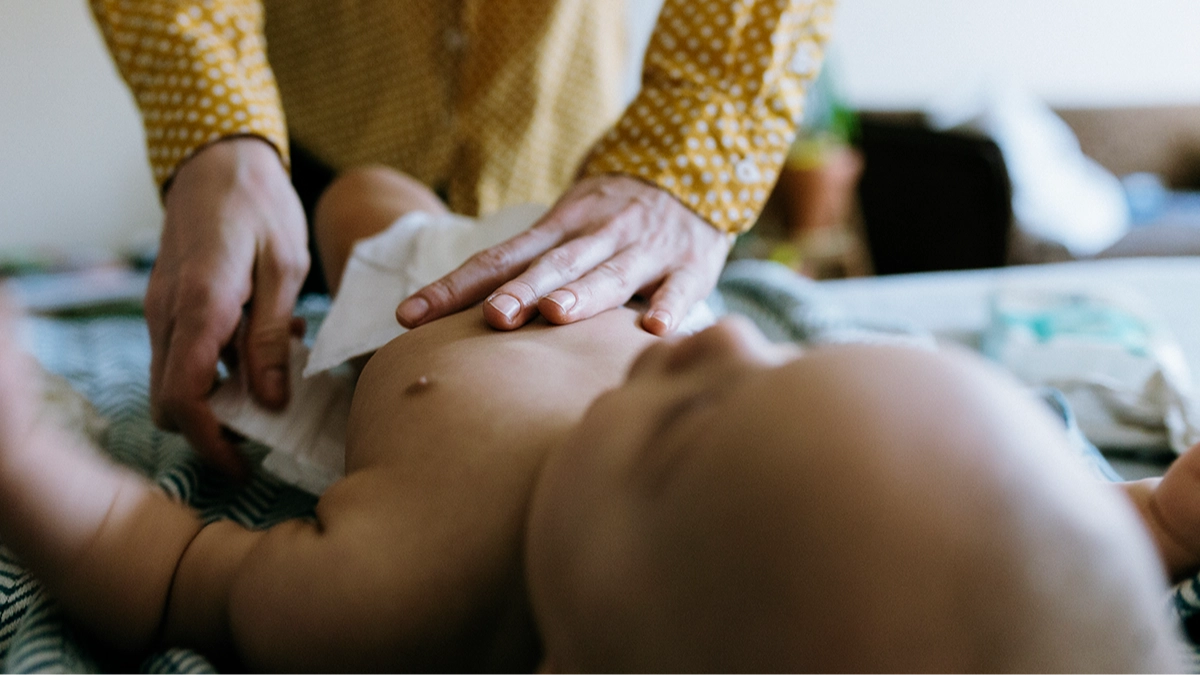
Scientists reveal why parents should ask their babies for consent to change their diapers

Moms and dads have contended with an avalanche of bizarre and frequently contradictory claims about child rearing over the years, from the disproven brain-boosting powers of a Mozart listening session, to endlessly changing ways you can try, and fail, to get that little bundle of joy to finally fall asleep.
But one piece of parenting guidance that has emerged in recent years had perhaps drawn more ire than most, after an Australian charity director advised in 2018 that you should ask for your baby's consent before changing their diaper.
This advice confounded many parents, wondering exactly how their non-verbal infants were meant to agree or disagree to being changed out of their dirty coverings.
One fumed on X: "Either she has never wrestled a toddler during a change or worse, she just left hers in a sh*tty nappy until it was ready to consent."
Advert
However, two scientists have now backed the odd-seeming advice and revealed why parents should consider including consent when changing a filthy diaper.
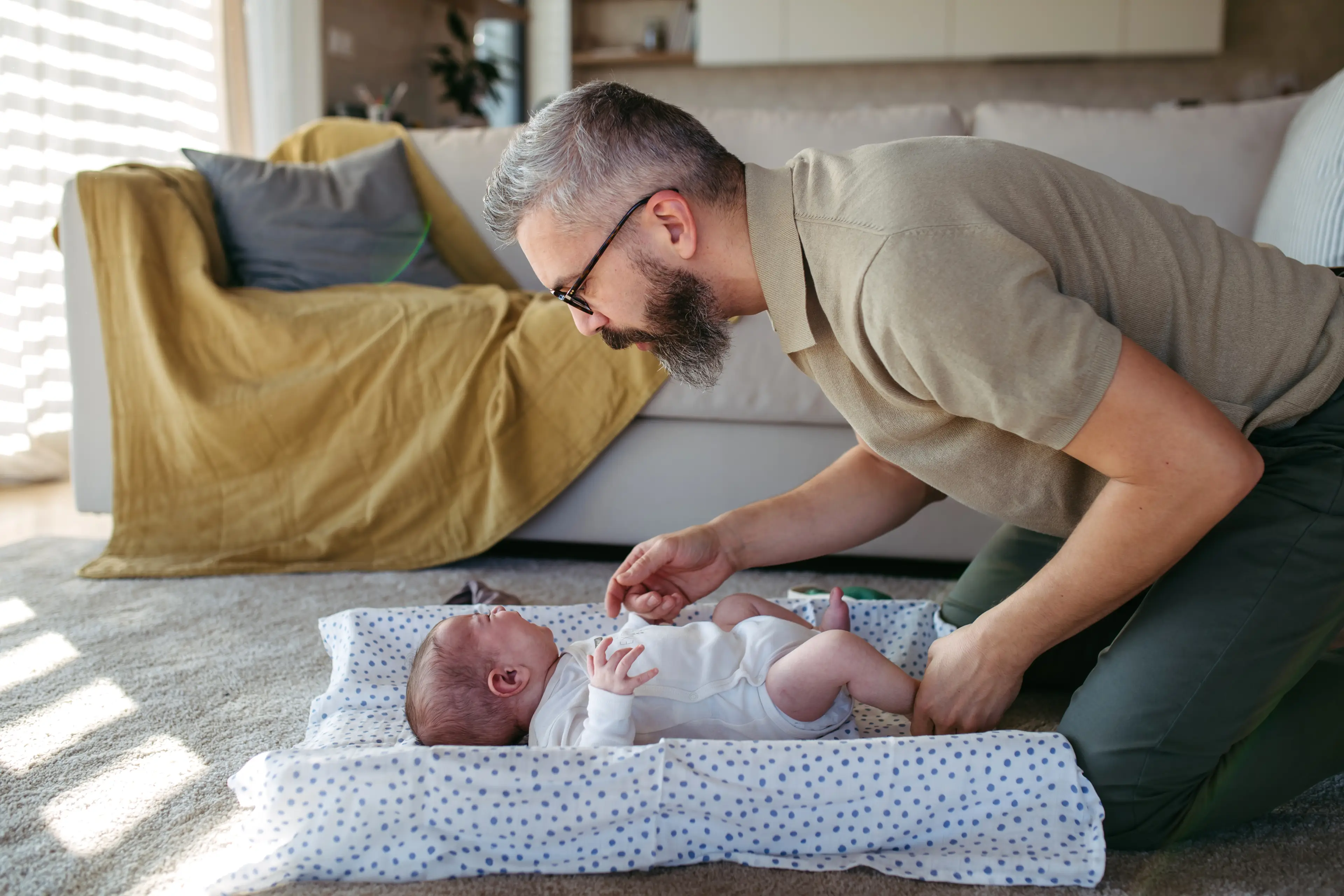
Dr Nicole Downs and Dr Katherine Bussey, of Deakin University in Australia, are even calling on families to make these conversations a 'normal, everyday part of life', long before adolescence.
The aim of this practice is not to elicit some jaw-dropping verbal response from a newborn, but to incorporate consent and bodily autonomy into normal interactions with their child, teaching them about proper boundaries and bodily autonomy - important social skills in later life.
"You can start teaching little ones about consent before they even talk," the professors told The Conversation.
All parents would rather get through the smelly and unpleasant task of diaper changing as quickly as humanly possible, but this could be a mistake.
"Nappy changes can easily be seen by parents as a task to rush through and just 'get done'," they said. "But this can be a time to help children learn about consent and how their bodies work."
But how exactly do you ask a baby if it's ok to change their dirty diaper? And once you've somehow managed that, how would you even know if they did not want to be changed?
The scientists said it's all about body language, explaining: "Get down to their level and say, 'you need a nappy change' and then pause so they can take this in. Then you can say, 'do you want to walk/crawl with me to the change table, or would you like me to carry you?'"
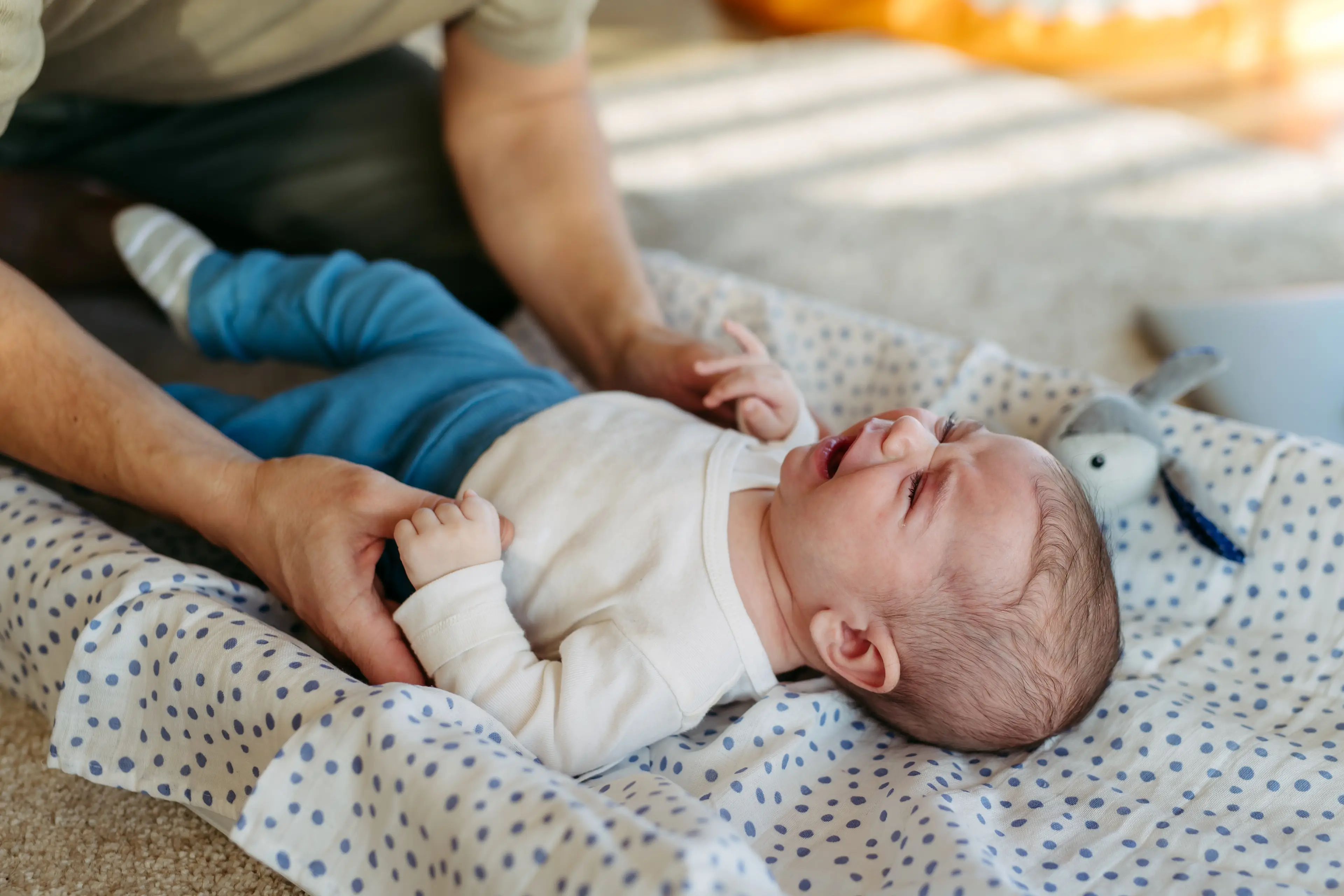
Parents should then analyze their baby's facial expressions to figure out if they understand what is going on and are happy with continuing.
The early learning specialists also advised avoiding singing or other distractions, so the tot can be fully aware of what is going on.
Saying out loud what you are about to do, such as asking something like 'can you please lift up your bottom so I can slide your nappy out', involves your child in the actions taking place around their body.
Rather than some insane new level of 'woke', this advice is being shared with parents for an incredibly important reason - so that children have the ability and language skills to explain when they are being abused
'It's important children notice when someone is touching their most intimate parts,' Dr Downs and Dr Bussey said.
But they also acknowledged how hard being a parent can be, and not to stress over whether they are doing the right thing every time.
They said: "The habits we outline above may also seem to add more work to the already demanding parental load. So try and do them as often as possible and be kind to yourself if every nappy change isn't a perfect moment of connection, you are supporting a small child after all."
 William Morgan