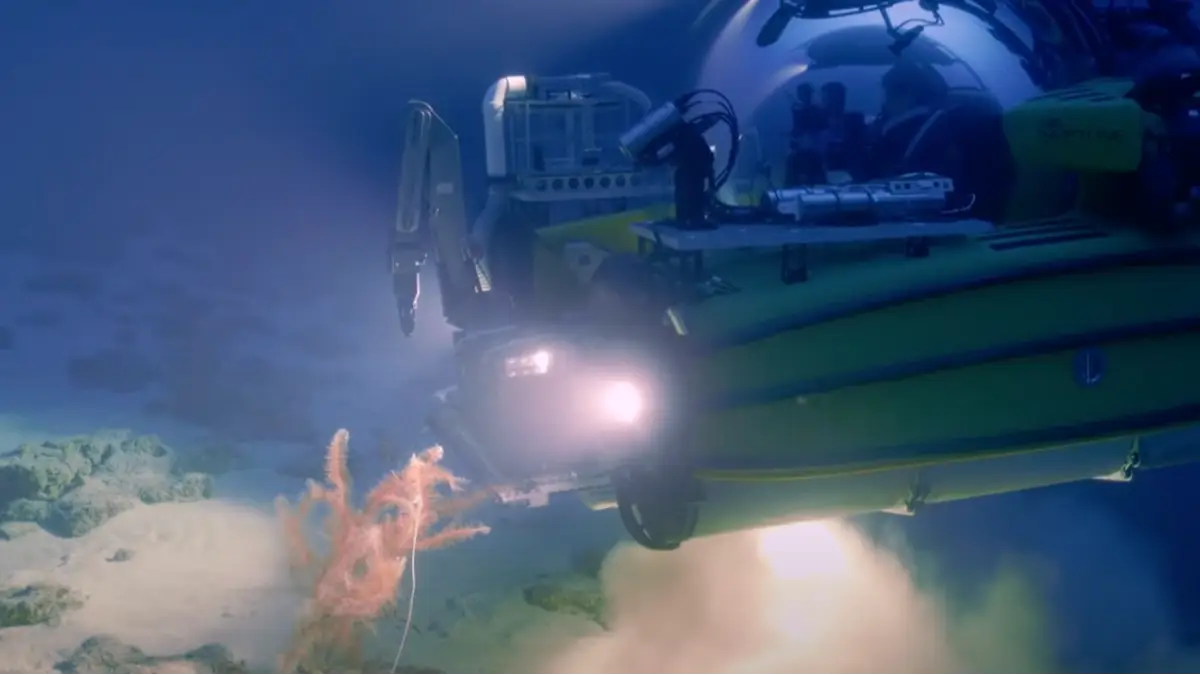
Chilling discovery made after scientists finally reached the bottom of the Red Sea

Scientists reached the bottom of the Red Sea and what they found was startling.
If you thought we had collectively searched most of the sea as a human race, you’d be wrong.
In fact, only five percent of the ocean has been explored... and it’s easy to see why when you take the dreaded 'death pools' into account.
There’s always going to be something scary lurking in the deepest darkest parts of the ocean, but you wouldn’t think that something more sinister would be lying in wait to get you.
Advert
Warning: If you’ve got a phobia of the deep blue (or red) sea, now is the time to promise yourself that you’ll never visit it in your life.
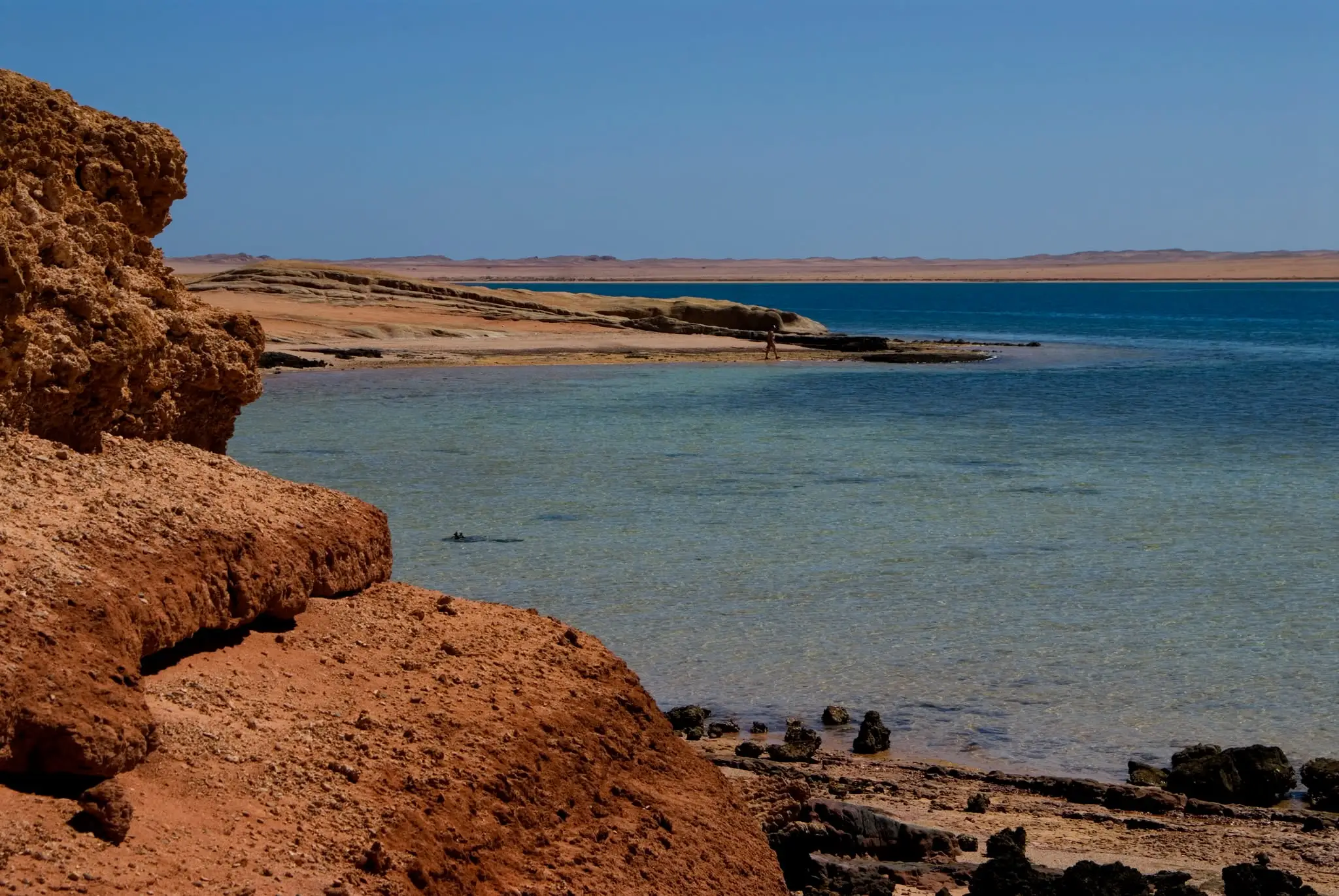
Particularly, don’t go into it, or you might not return.
The deep sea holds many frightful fish like the scry fangtooth, gulper eel, goblin shark, vampire squid and anglerfish, but that’s not what’s the worst part.
With those beasts you at least know what you face - OK, the vampire squid isn't really that scary but sounds it.
Well, research is being carried out by scientists looking into the bottom of the Red Sea, which is located in the Middle East between Africa and Asia.
A research team sent divers and probes down to explore, but what they actually uncovered was 'death pools'.
Just the name of them sends chills down your spine, but what are they?
Discovered at the depth of the sea inlet, part of the Indian Ocean, they are holes that go beyond the sea bed and they hold no oxygen at all and are extraordinarily salty, so most life can't survive there.
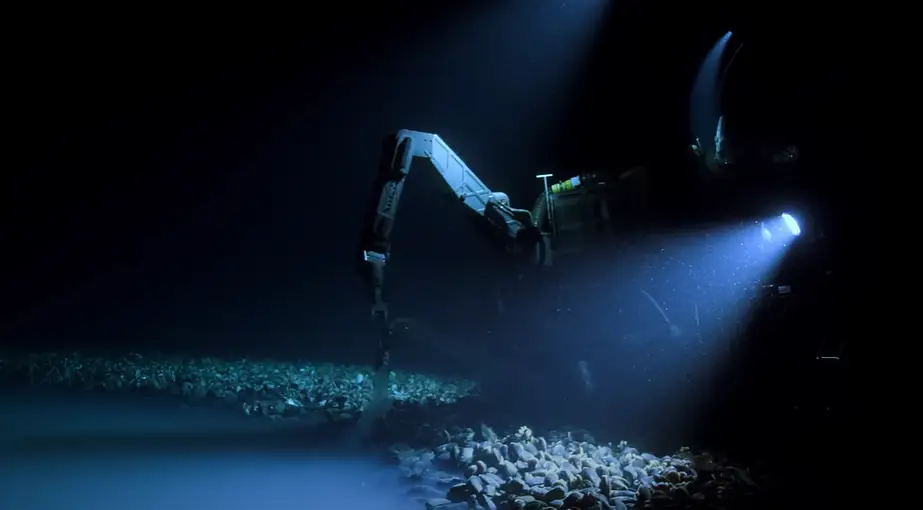
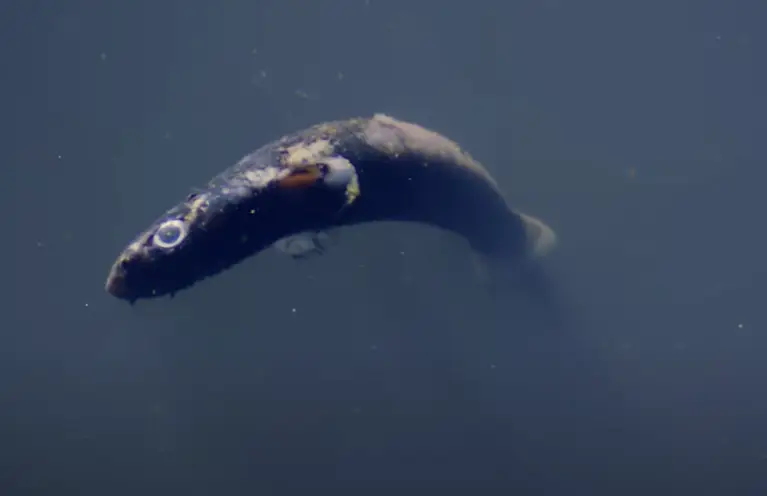
Why is that frightening? Well, there are opportunistic predators that lurk there ready to snap up breakfast, lunch and dinner - if any bamboozled creatures happen upon them.
Professor Sam Purkis, chair of the Department of Marine Geosciences at the University of Miami, explained fish that stumble into the brine pools are 'immediately stunned or killed', and predators camp out near the holes to 'feed on the unlucky'.
But it turns out the discovery of these chilling, mysterious trenches hold vital information into life on Earth as we know it.
Purkis said: "Our current understanding is that life originated on Earth in the deep sea, almost certainly in anoxic - without oxygen - conditions.
"Studying this community hence allows a glimpse into the sort of conditions where life first appeared on our planet, and might guide the search for life on other 'water worlds' in our solar system and beyond."
So unearthing these pools will actually aid in space exploration.
What also offers a great insight is into 'life before life' is the fact that there are so few living things in these pits, meaning we have a rare window into the distant past.
He added: "Ordinarily, these animals bioturbate or churn up the seabed, disturbing the sediments that accumulate there. Not so with the brine pools. Here, any sedimentary layers that settle to the bed of the brine pool remain exquisitely intact."
I'm sure we're going to be hearing a lot more about these death pools, and as long as I'm not exploring myself then... bring it on nature.
 Britt Jones